Initiation
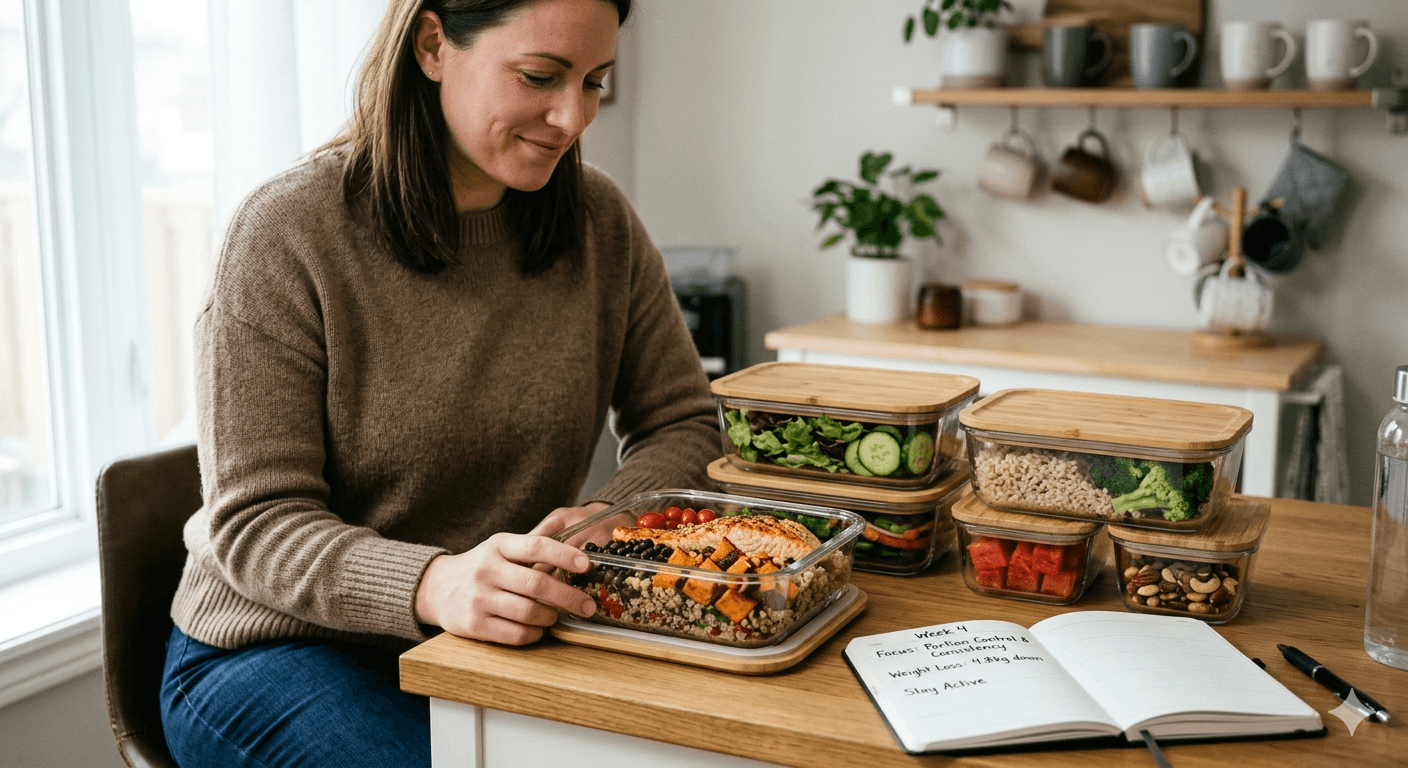
“Losing weight is one of the most common health goals in the world. If you are looking for a Complete Weight Loss Guide for Beginners 2026, you are in the right place. Every year, millions of people start a new diet…”
Losing weight is one of the most common health goals in the world — and one of the most misunderstood. Every year, millions of people start a new diet or exercise plan, only to give up within a few weeks because they don’t see results fast enough, or because the plan was too complicated to follow.
The good news? If you approach it correctly, losing 5 kg in 30 days is a realistic and doable goal. This has nothing to do with fad diets, pills, or starving yourself. This is a science-backed, practical, beginner-friendly guide that will help you lose weight safely, sustainably, and effectively.
In this guide, you will learn exactly what to eat, how to exercise, how to manage your mindset, and how to track your progress — all laid out in a simple, step-by-step format that anyone can follow, regardless of age, fitness level, or experience.
Let’s get started.
The Science Behind This Weight Loss Guide for Beginners 2026
Understanding the fundamental science behind weight loss is essential before delving into the specifics of what to eat and how to exercise. This knowledge will empower you to make smarter decisions throughout your journey.
The Calorie Equation
At its core, weight loss comes down to one simple principle: calories in vs. calories out.
- Calories In refers to the energy you get from food and drinks.
- Calories Out refers to the energy your body uses for basic functions like breathing and digestion, in addition to physical activity.
When you consume fewer calories than you burn, your body turns to stored fat for energy — and that is when you lose weight.
To lose approximately 1 kg of body fat, you need to create a calorie deficit of about 7,700 calories. To lose 5 kg in 30 days, you would need a total deficit of around 38,500 calories — or roughly 1,280 calories per day.
This may sound like a lot, but it is achievable through a combination of:
- Reducing calorie intake through diet
- Using exercise to burn more calories
- Making smart lifestyle changes that support fat loss
Important Note: Losing 5 kg in 30 days is an aggressive but generally safe goal for most beginners, especially those who are significantly overweight. However, always consult your doctor before starting any new diet or exercise program, particularly if you have any underlying health conditions.
The Failure of Crash Diets
Many beginners make the mistake of drastically cutting calories — eating only 500–800 calories a day — hoping to lose weight faster.
This strategy almost always fails:
- Your metabolism slows down to conserve energy
- You lose muscle mass, not just fat
- You feel exhausted, hungry, and irritable
- The weight comes back quickly once you stop
This is called yo-yo dieting, and it is one of the biggest obstacles to long-term weight loss. The plan in this guide avoids all of these pitfalls.
Chapter 2: Setting Up for Success — Before You Begin
“This is a Weight Loss Guide for Beginners 2026 designed to help you lose 5kg in 30 days.”
Before we dive into the food, remember that consistency is the most important part of any Weight Loss Guide for Beginners 2026.
Success in weight loss starts long before you take your first step or eat your first healthy meal. It starts in your mind and in your environment.
Set a Clear, Specific Goal
Instead of saying “I want to lose weight,” say:
“I will lose 5 kg in 30 days by following this plan.”
Write down your goal and place it somewhere visible — your mirror, phone wallpaper, or fridge. Specific goals create accountability.
Take Your Starting Measurements
Before you begin, record the following:
- Your current weight (in the morning, before eating)
- Waist, hip, and chest measurements (in cm)
- A “before” photo (optional but highly motivating)
Weigh yourself every 3–4 days, not daily. Daily fluctuations due to water retention, hormones, and food intake can be misleading.
Fix Your Environment
- Remove or donate junk food, sugary snacks, and soft drinks
- Stock your fridge with vegetables, fruits, lean proteins, and healthy fats
- Prepare healthy snacks in advance (boiled eggs, nuts, cut vegetables)
Get the Right Tools
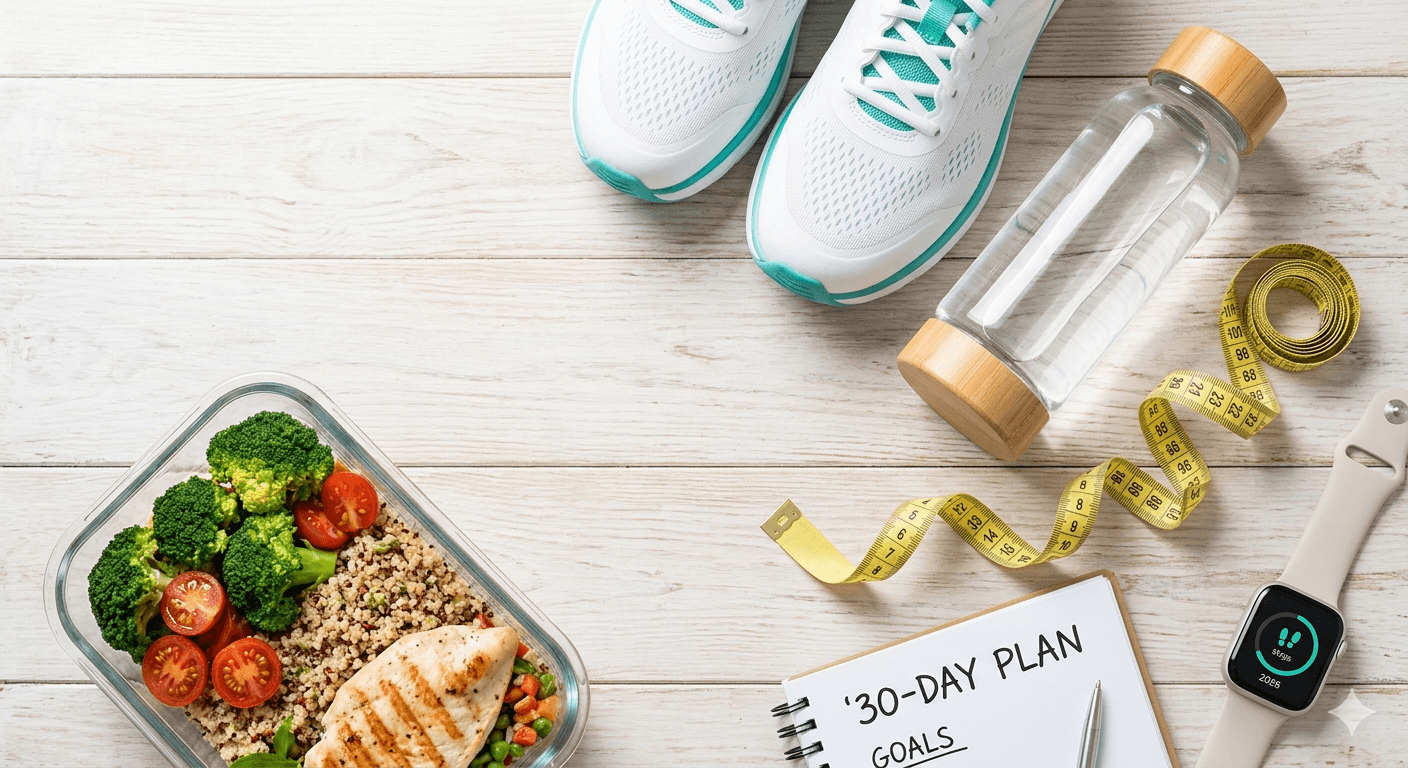
You don’t need expensive equipment, but these basics help:
- A kitchen scale for accurate portion control
- A water bottle to stay hydrated
- A notebook or app (e.g., MyFitnessPal) to track calories
- Comfortable shoes for walking or running
Chapter 3: The Diet Plan for Your Weight Loss Guide for Beginners
Diet accounts for approximately 70–80% of weight loss results. You cannot out-exercise a bad diet.
7-day healthy menu and calorie counting guide”.
Your Daily Calorie Target
| Your Weight | Recommended Daily Calories |
|---|---|
| 60–70 kg | 1,400 – 1,600 |
| 70–85 kg | 1,500 – 1,800 |
| 85–100 kg | 1,600 – 2,000 |
| 100 kg+ | 1,800 – 2,200 |
These are general guidelines. Your exact needs depend on age, height, gender, and activity level.
The Three Macronutrients
1. Protein — Your Best Friend
Protein is critical because it:
- Keeps you full longer
- Preserves muscle mass
- Burns more calories during digestion
Target: 1.5–2g per kg of body weight
Sources:
Chicken, fish, eggs, yogurt, lentils, chickpeas, tofu
2. Carbohydrates — Choose Wisely
Not all carbs are equal.
- Avoid: white bread, sugary cereals, refined foods
- Choose: oats, brown rice, vegetables, fruits
Target: 30–35% of daily calories
3. Healthy Fats — Essential, Not Optional
Fats support hormones and brain health.
Target: 25–30% of daily calories
Sources:
Olive oil, nuts, seeds, avocado, fatty fish
Foods to Avoid
- Sugary drinks (soda, juices)
- Fast food and fried items
- White bread, pastries
- Chips and processed snacks
- Candy and ice cream
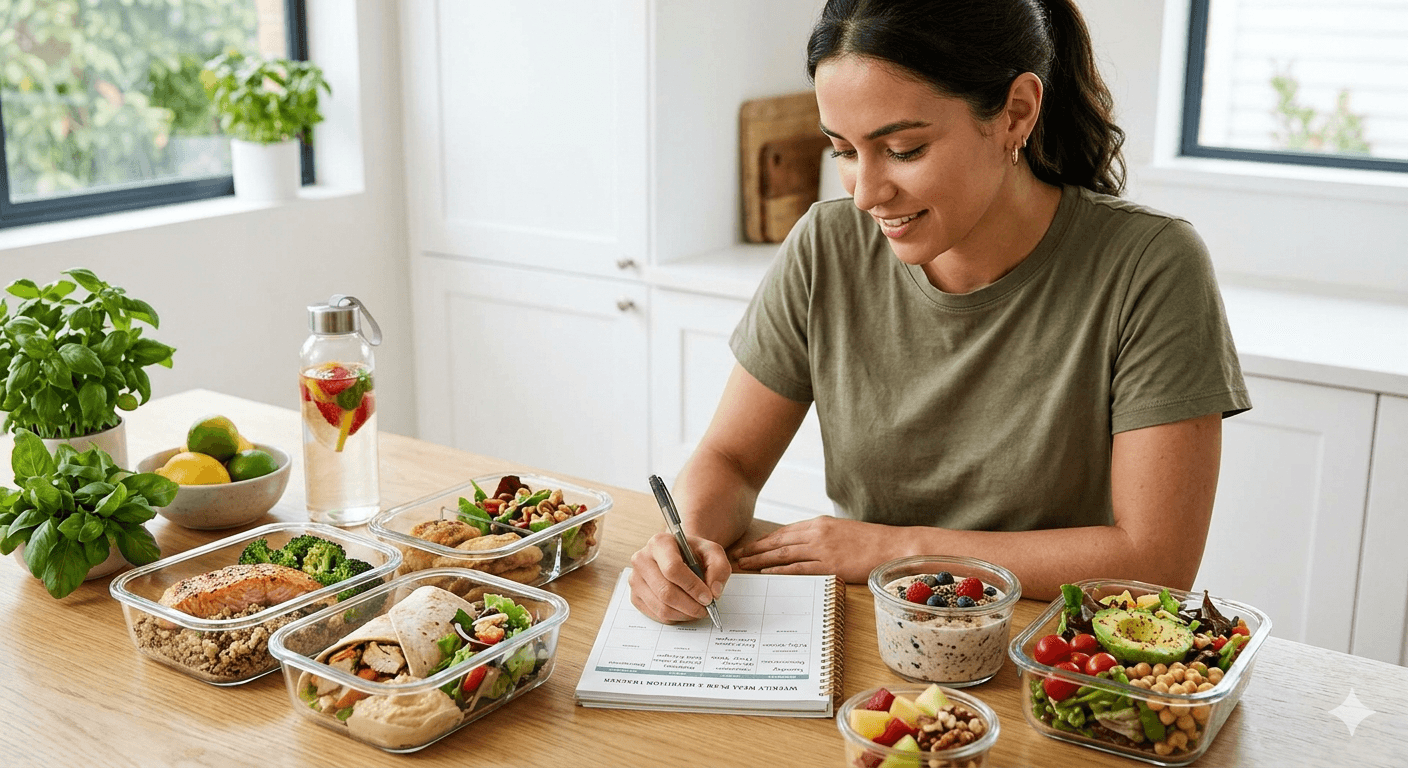
Sample Daily Meal Plan
Breakfast:
- 3 scrambled eggs
- Spinach + mushrooms
- 1 slice whole grain toast
- Green tea or black coffee
Snack:
- Apple + almonds
Lunch:
- 150g grilled chicken
- Large salad
- ½ cup brown rice
Snack:
- Greek yogurt + berries
Dinner:
- 150g salmon
- Steamed vegetables
- ½ sweet potato
Calories: ~1,500–1,700
The Role of Water
Water plays a major role in fat loss:
- Boosts metabolism temporarily
- Reduces hunger
- Helps remove excess sodium
Target: 3 liters per day
Drinking water before meals can reduce calorie intake by around 10–15%.
Chapter 4: The Exercise Plan for Efficient Fat Burning
Diet is primary, but exercise accelerates fat loss and improves overall health.
Weeks 1–2: Foundation Phase
If you are a beginner, start slow.
Daily Walking:
- 30–45 minutes
- Moderate pace (slightly breathless but able to talk)
3x Weekly Strength Training:
Repeat 3 rounds:
- 15 squats
- 10 push-ups (modify if needed)
- 20 lunges
- 15 glute bridges
- 30-second plank
Rest 60 seconds between rounds.
Weeks 3–4: Intensity Phase
Add HIIT (2x per week):
- 30 seconds fast (run/jump rope)
- 30 seconds slow/rest
- Repeat for 20 minutes
HIIT burns more calories in less time and boosts metabolism even after the workout ends.
Strength Training Progression
Your body will begin to adjust to the exercises in Weeks 3 and 4. To continue seeing results, you need to apply progressive overload — gradually increasing the difficulty of your workouts.
This can be accomplished in a few easy ways:
- Increase the number of repetitions (e.g., from 15 to 20 squats)
- Add additional sets (from 3 rounds to 4 rounds)
- Shorten the rest interval between sets
- Slow down movements to increase muscle tension
Add light weights like dumbbells or resistance bands if bodyweight exercises become too easy. This will help maintain muscle mass while increasing calorie burn.
best AI fitness apps for home workouts”.
Chapter 5: Lifestyle Habits That Accelerate Weight Loss
Diet and exercise are just two aspects of weight loss. Your daily habits play a critical role in determining your success.
Sleep: The Hidden Fat Loss Tool
Although it is frequently overlooked, sleep has a direct impact on hormone levels. Lack of sleep:
- Increases hunger hormones (ghrelin)
- Decreases fullness hormones (leptin)
- Leads to cravings for high-calorie foods
Target: 7–9 hours of quality sleep per night
Create a consistent sleep schedule, avoid screens before bed, and keep your room dark and cool for better sleep quality.
Stress Management
Chronic stress increases cortisol levels, which can lead to fat storage, especially around the belly.
Simple ways to manage stress:
- Deep breathing exercises
- Spending time outdoors
- Listening to relaxing content
- Taking short breaks from work
Even 10–15 minutes of relaxation each day can make a noticeable difference.
Stay Consistent, Not Perfect
One of the biggest mistakes beginners make is trying to be perfect. Missing one workout or eating one unhealthy meal does not ruin your progress.
What matters is consistency over time.
Follow the 80/20 rule:
- 80% of your choices should be healthy
- 20% can be flexible
This approach makes your plan sustainable and realistic.
Chapter 6: Proper Progress Tracking
Correctly tracking your progress helps you stay motivated and make necessary adjustments.
What to Track
- Body weight (every 3–4 days)
- Body measurements (weekly)
- Progress photos (every 2 weeks)
- Energy levels and mood
Sometimes the scale may not move, but your measurements will improve — which means you are losing fat and gaining muscle.
Adjusting Your Plan
If you are not seeing results after 10–14 days:
- Reduce daily calories slightly (100–200 calories)
- Increase daily activity (extra 10–15 minutes of walking)
- Ensure you are tracking food accurately
Avoid making drastic changes. Small adjustments are more effective and sustainable.
Chapter 7: Common Mistakes to Avoid
Knowing what works is just as important as knowing what not to do.
1. Skipping Meals
Skipping meals often leads to overeating later in the day. It can also slow down your metabolism.
2. Not Eating Enough Protein
Low protein intake results in muscle loss and increased hunger. Always prioritize protein in every meal.
3. Relying Only on Exercise
Exercise alone is not enough. Without proper diet control, fat loss will be very slow.
4. Unrealistic Expectations
Healthy weight loss takes time. Expecting instant results leads to frustration and quitting early.
5. Ignoring Liquid Calories
Hidden calories in beverages like soda, juice, and sweetened coffee can ruin your calorie deficit.
Chapter 8: Motivation and Mindset
Your mindset determines whether you succeed or fail in your weight loss journey.
Build Discipline Over Motivation
Motivation comes and goes, but discipline keeps you consistent. Establish routines and stick to them even when you don’t feel like it.
Focus on Progress, Not Perfection
Small daily improvements lead to big long-term results. Celebrate:
- Losing 1 kg
- Completing a full week of workouts
- Making healthier food choices
These small wins build momentum.
Visualize Your Goal
Spend a few minutes each day imagining your desired result. This strengthens your commitment and keeps you focused.
Final Summary and Future Outlook
Losing 5 kg in 30 days is an ambitious goal, but it is absolutely achievable if you follow a structured and realistic plan.
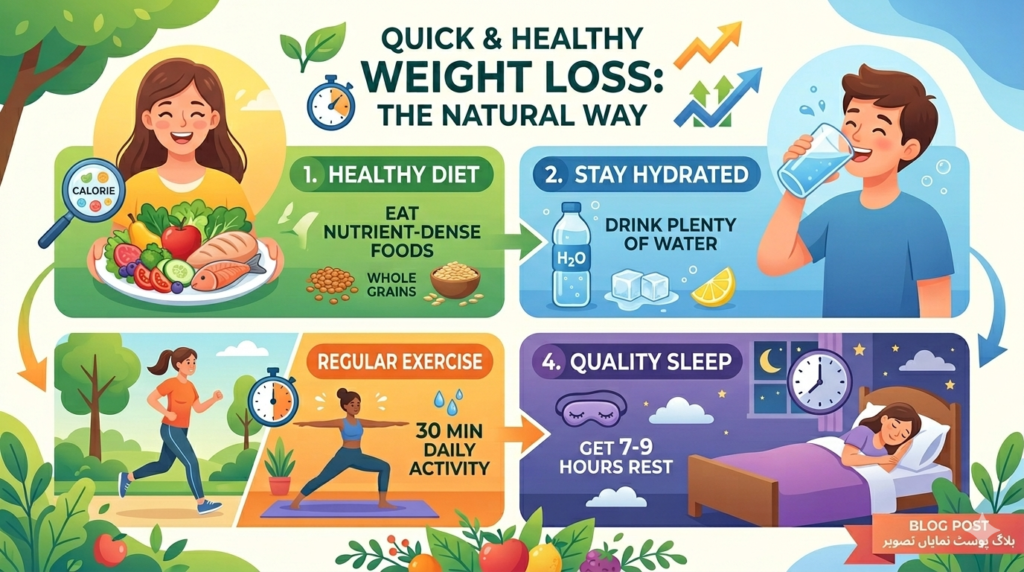
This guide shows that successful weight loss is based on four main pillars:
- Calorie control through a balanced diet
- Regular exercise combining cardio and strength training
- Healthy lifestyle habits like sleep and stress management
- Consistency and the right mindset
Remember, this 30-day plan is just the beginning. The real goal is not just to lose weight quickly, but to build habits that keep the weight off permanently.
As you continue:
- Keep eating balanced, nutritious meals
- Stay consistent with exercise
- Gradually set new fitness goals
- Focus on long-term health over short-term results
With consistency, discipline, and patience, you will not only lose weight but also transform your lifestyle.
This Weight Loss Guide for Beginners 2026 is designed to give you a head start on your fitness journey.