

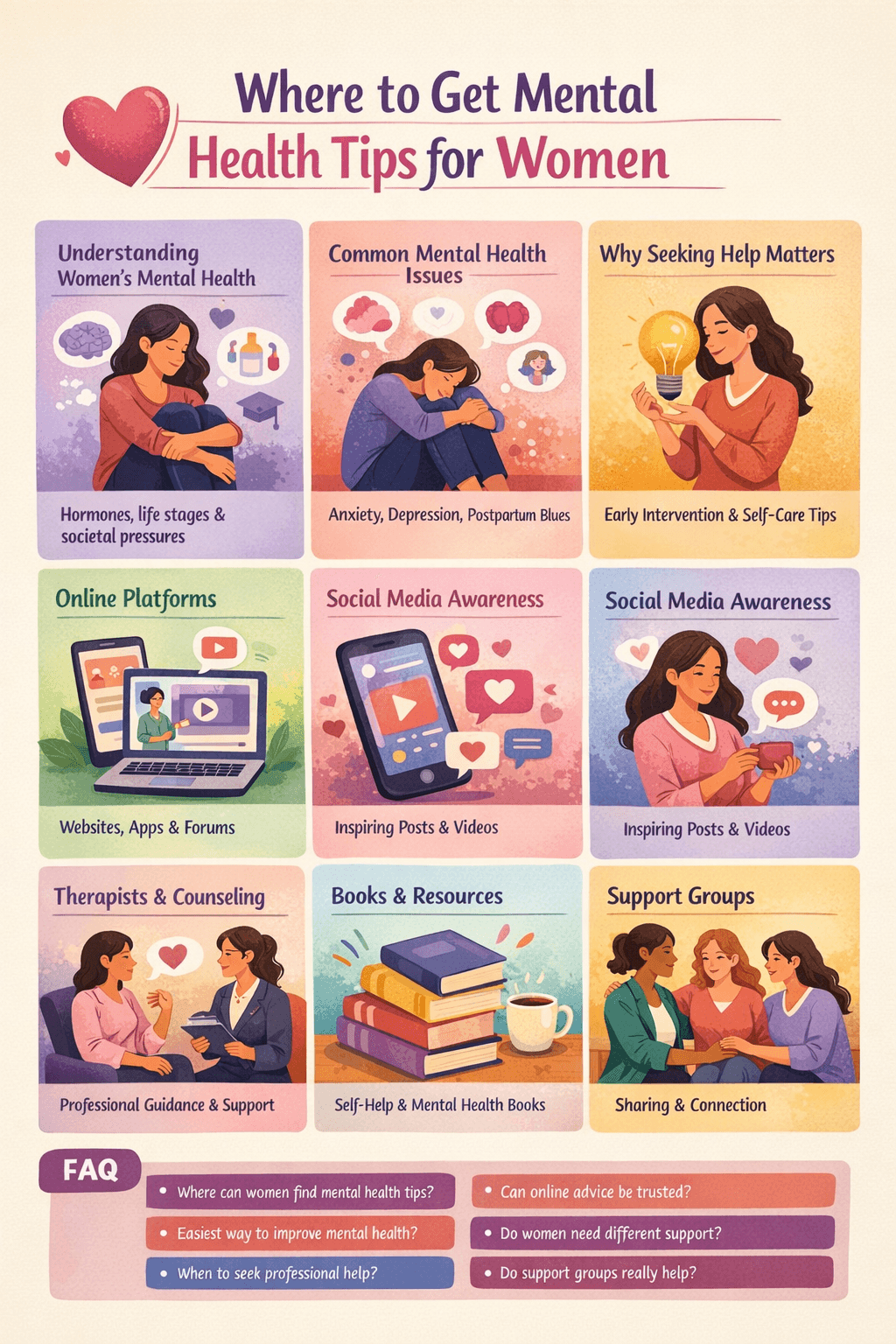
Where to Get Mental Health Tips for Women”
Mental Health Tips for Women: Why Women’s Mental Health Matters
These mental health tips for women can help improve emotional well-being and build a balanced lifestyle.
Women’s mental health is a crucial yet often overlooked aspect of overall well-being.
In today’s fast-paced world, women are expected to manage multiple roles, including career responsibilities,
family care, and social expectations, which can significantly impact their emotional and psychological health. From hormonal changes to societal pressures, women face unique challenges that can lead to stress,
anxiety, and depression if not addressed properly. Despite growing awareness, many women still hesitate to seek help due to stigma or lack of access to reliable resources. Prioritizing mental health is not just about avoiding illness; it is about achieving a balanced, fulfilling life where emotional resilience and self-care play a central role. When women take care of their mental well-being, they are better equipped to handle daily challenges, maintain healthy relationships, and contribute positively to their communities. Recognizing the importance of mental health and actively seeking guidance, whether through professional support, online resources, or lifestyle changes, can empower women to lead healthier and more confident lives.

2. Understanding Mental Health Needs of Women
Understanding the mental health needs of women requires recognizing that their experiences are often shaped by a combination of biological, psychological, and social factors. Women go through various life stages—such as puberty, pregnancy, motherhood, and menopause—that involve hormonal fluctuations, which can significantly influence mood and emotional stability. These biological changes, when combined with external pressures, can make women more vulnerable to conditions like anxiety, depression, and mood disorders.
In addition to biological aspects, women frequently face societal expectations that can impact their mental well-being. They are often expected to balance multiple roles, including being caregivers, professionals, and homemakers. This constant pressure to meet high expectations can lead to stress, burnout, and feelings of inadequacy. Emotional sensitivity and a tendency to internalize problems may also make women more prone to overthinking and self-doubt.
Furthermore, life experiences such as relationship challenges, financial stress, workplace inequality, and even exposure to trauma or abuse can deeply affect a woman’s mental health. Access to support systems, including family, friends, and professional help, plays a vital role in managing these challenges effectively.
It is important to understand that women’s mental health needs are not one-size-fits-all. Each individual may require different forms of support, coping strategies, and guidance. By acknowledging these unique needs and encouraging open conversations, society can create a more supportive environment where women feel safe to seek help and prioritize their mental well-being.
Understanding these challenges makes it easier to follow the right mental health tips for women.
3. Common Mental Health Issues in Women
Women commonly experience a range of mental health issues that can affect their daily lives, relationships, and overall well-being. Among the most prevalent conditions is anxiety, which often presents as excessive worry, restlessness, and difficulty concentrating. Depression is another major concern, characterized by persistent sadness, loss of interest in activities, and low energy levels. These conditions can be influenced by hormonal changes, life stressors, or a combination of both.
Postpartum depression is a specific condition that affects many women after childbirth, leading to emotional distress, fatigue, and difficulty bonding with the baby. Hormonal fluctuations related to menstruation, pregnancy, and menopause can also contribute to mood swings and emotional instability, sometimes resulting in disorders such as premenstrual dysphoric disorder (PMDD).
Additionally, women are more likely to experience eating disorders, such as anorexia and bulimia, often linked to body image concerns and societal beauty standards. Stress and burnout are also common, especially among women balancing work and family responsibilities.
These mental health challenges can vary in intensity and duration, but they should never be ignored. Early recognition and seeking appropriate support—whether through professional help, lifestyle changes, or emotional support systems—can make a significant difference in managing these conditions and improving overall quality of life.
Managing these conditions becomes easier by applying practical mental health tips for women.
4. Why Seeking Mental Health Tips is Important
Seeking mental health tips is essential for women because it helps them understand, manage, and improve their emotional and psychological well-being in a proactive way. In many cases, mental health issues develop gradually, often going unnoticed until they begin to affect daily life, relationships, and physical health. By actively looking for guidance and practical tips, women can recognize early signs of stress, anxiety, or depression and take timely action before these issues become more serious.
One of the key benefits of seeking mental health tips is gaining awareness. When women educate themselves about mental wellness, they become better equipped to identify triggers, manage emotions, and adopt healthier coping strategies. Simple practices such as mindfulness, regular exercise, or maintaining a balanced routine can significantly reduce stress levels and improve mood. These small but consistent efforts can lead to long-term emotional stability and resilience.
Additionally, mental health tips often provide a sense of direction and reassurance. Knowing that others face similar challenges can reduce feelings of isolation and encourage women to seek further support if needed. Whether the advice comes from professionals, trusted online platforms, or support communities, it can serve as a valuable starting point for positive change.
Ignoring mental health, on the other hand, can lead to worsening symptoms, decreased productivity, and strained relationships. Therefore, taking the initiative to learn and apply mental health tips is not just beneficial—it is necessary. It empowers women to take control of their well-being, make informed decisions, and lead healthier, more balanced, and fulfilling lives.
5. Online Platforms for Mental Health Support
In today’s digital age, online platforms have become one of the most accessible and convenient sources for mental health support, especially for women who may feel hesitant to seek help in person. These platforms offer a wide range of resources, including articles, videos, self-help tools, and professional counseling services, making it easier to find guidance anytime and anywhere.
Mental health websites such as Psychology Today and Mind.org provide reliable, research-based information on various mental health topics. These platforms often include expert-written articles, coping strategies, and directories to find licensed therapists. Similarly, wellness blogs focused on women’s health offer practical advice tailored to issues like stress, relationships, and emotional balance.
Mobile applications like Calm, Headspace, and BetterHelp have also gained popularity for their user-friendly approach. They provide features such as guided meditation, mood tracking, and online therapy sessions, helping women manage their mental health in a structured way. These apps are especially useful for building daily habits that promote relaxation and mindfulness.
In addition, online communities and forums, such as Reddit or Facebook groups, allow women to connect with others who share similar experiences. These spaces can offer emotional support, encouragement, and a sense of belonging. However, it is important to verify the credibility of the information shared and rely on trusted sources.
Overall, online platforms play a vital role in making mental health support more accessible, flexible, and personalized for women.
apps that support mental wellness and fitness
6. Social Media and Mental Health Awareness
Social media has become a powerful tool for spreading mental health awareness, especially among women. Platforms like Instagram, TikTok, and YouTube are filled with content created by psychologists, therapists, and mental health advocates who share tips, coping strategies, and educational information in an easy-to-understand format. This has made mental health discussions more open and less stigmatized, encouraging women to learn and talk about their emotional well-being.
One of the biggest advantages of social media is accessibility. Women can quickly find short, helpful content related to stress management, self-care routines, and emotional healing. Many influencers also share personal experiences, which can help others feel less alone in their struggles. This sense of connection and relatability can be very comforting and motivating.
However, it is important to approach social media content with caution. Not all advice shared online is accurate or created by qualified professionals. Misinformation or overly simplified solutions can sometimes do more harm than good. Therefore, women should always check the credibility of the source, look for verified accounts, and avoid comparing their lives to unrealistic portrayals often seen online.
When used wisely, social media can be a valuable source of mental health awareness and support. It can inspire positive habits, encourage self-care, and help women take the first step toward improving their mental well-being.Social media can also be a useful source of mental health tips for women if used wisely.
7. Professional Help: Therapists and Counseling
Seeking professional help through therapists and counseling is one of the most effective ways to address mental health challenges in women. While self-help tips and online resources can provide initial support, trained professionals offer structured guidance, accurate diagnosis, and personalized treatment plans based on individual needs. This level of support is especially important when dealing with persistent stress, anxiety, depression, or trauma.
Therapists use different approaches such as Cognitive Behavioral Therapy (CBT), talk therapy, and mindfulness-based techniques to help individuals understand their thoughts, emotions, and behaviors. These methods are designed to identify negative patterns and replace them with healthier coping strategies. Counseling sessions also provide a safe and confidential environment where women can openly express their feelings without fear of judgment.
In recent years, online therapy has made professional help more accessible. Platforms like BetterHelp and Talkspace allow women to connect with licensed therapists from the comfort of their homes. This is particularly beneficial for those who may have time constraints, mobility issues, or concerns about privacy.
It is important to recognize when professional help is needed. Signs such as ongoing sadness, overwhelming anxiety, difficulty functioning in daily life, or emotional distress should not be ignored. Early intervention can prevent issues from becoming more severe.
Overall, therapists and counselors play a crucial role in supporting women’s mental health by providing expert care, emotional support, and effective tools for long-term well-being.
professional therapy and counseling support
8. Best Books for Women’s Mental Health
Books are a powerful and reliable source of mental health guidance for women because they provide in-depth knowledge, practical strategies, and long-term emotional support. Unlike short online content, books allow readers to deeply understand psychological concepts and apply them gradually in their daily lives. Many mental health books are written by psychologists, therapists, and researchers who base their advice on scientific evidence and real-life experiences.
There are several categories of books that can support women’s mental health. Self-help books focus on building confidence, improving self-esteem, and developing healthy thinking patterns. Books on anxiety and depression help readers understand their symptoms and offer coping techniques such as relaxation exercises, journaling, and mindfulness practices. Similarly, books on trauma and healing guide women through emotional recovery and personal growth.
Reading mental health books also encourages reflection and self-awareness. When women relate to the experiences shared in these books, they often feel understood and less alone in their struggles. This sense of connection can be deeply comforting and motivating.
Some well-known mental health books also emphasize self-love and emotional independence, helping women build stronger relationships with themselves and others. Choosing the right book depends on individual needs, so it is important to select titles that are credible, easy to understand, and relevant to personal challenges.
Overall, books serve as a long-term companion in the journey of mental well-being, offering knowledge, support, and inspiration for positive change.
9. Support Groups and Women Communities
Support groups and women communities play an important role in improving mental health by providing a safe space where women can share their experiences, feelings, and challenges without fear of judgment. These groups can be found both offline in local communities and online through forums, social media groups, and dedicated mental health platforms.
One of the main benefits of support groups is emotional connection. When women interact with others who are facing similar struggles—such as anxiety, depression, relationship issues, or work stress—they realize they are not alone. This sense of shared experience can reduce feelings of isolation and build emotional strength.
Support groups also encourage open communication. Many women find it difficult to express their emotions in daily life due to societal pressure or family expectations. In a supportive environment, they feel more comfortable talking about their problems and learning from others’ coping strategies.
In addition, women communities often provide practical advice and encouragement. Members share helpful tips, personal stories, and solutions that have worked for them, which can inspire others to try new approaches for managing their mental health.
However, it is important to choose trustworthy and positive communities. A healthy support group should promote respect, confidentiality, and constructive guidance rather than negativity or misinformation.
Overall, support groups and women communities act as a strong emotional backbone, helping women build confidence, resilience, and a better understanding of their mental well-being.
10. Lifestyle Tips to Improve Mental Health
Lifestyle plays a major role in maintaining and improving women’s mental health. Simple daily habits can have a strong impact on emotional balance, stress levels, and overall psychological well-being. By making small but consistent changes in routine, women can significantly enhance their mental resilience and quality of life.Following simple mental health tips for women like exercise and proper sleep can improve daily life.
Regular physical activity is one of the most effective lifestyle changes for mental health. Exercise releases endorphins, which are natural mood boosters that help reduce stress and anxiety. Even simple activities like walking, yoga, or stretching can make a noticeable difference in mood and energy levels.
A balanced and nutritious diet is also essential. Foods rich in vitamins, minerals, and omega-3 fatty acids support brain function and emotional stability. On the other hand, excessive caffeine, sugar, and processed foods may negatively affect mood and energy.
Adequate sleep is another critical factor. Poor sleep can increase irritability, stress, and difficulty concentrating. Maintaining a consistent sleep schedule helps the brain recover and improves emotional regulation.
In addition, mindfulness practices such as meditation, deep breathing, and journaling can help women manage overthinking and stay emotionally grounded. These practices encourage self-awareness and reduce mental clutter.
Overall, adopting healthy lifestyle habits is a natural and effective way to support mental well-being. Small daily improvements can lead to long-term emotional strength and a more balanced, peaceful life.
healthy lifestyle for better mental health
11. Workplace and Family Impact on Mental Health
Workplace and family environments have a significant influence on women’s mental health, as these are the two spaces where most of their time and emotional energy is spent. Both positive and negative experiences in these areas can directly affect stress levels, self-esteem, and overall psychological well-being.
In the workplace, women often face challenges such as high workload, tight deadlines, lack of recognition, and in some cases, gender discrimination. Balancing professional responsibilities with personal life can lead to chronic stress and burnout. A supportive work environment that promotes equality, flexibility, and mental well-being can greatly reduce these pressures and improve job satisfaction.
Family life also plays a central role in emotional health. Women are often expected to manage household responsibilities, caregiving duties, and family relationships simultaneously. While a supportive and understanding family can provide emotional strength and stability, constant pressure, conflict, or lack of support can lead to anxiety, frustration, and emotional exhaustion.
Achieving a healthy work-life balance is essential. Setting boundaries, sharing responsibilities, and communicating openly with both family members and employers can help reduce stress. Self-care should not be neglected, even during busy schedules, as it is necessary for maintaining emotional stability.
Overall, both workplace and family environments can either support or strain women’s mental health. Creating balance, respect, and understanding in these areas is key to long-term emotional well-being.
12. Conclusion: Taking Control of Your Mental Well-being
In conclusion, women’s mental health is a vital part of overall well-being that deserves attention, care, and consistent effort. Throughout life, women face a variety of emotional, social, and biological challenges that can affect their mental stability. However, with the right awareness and access to proper resources, these challenges can be managed effectively.
The important thing to understand is that mental health is not something to be ignored or delayed. Seeking help, learning about mental wellness, and applying practical tips can make a significant difference in daily life. Whether it is through online platforms, professional counseling, books, support groups, or lifestyle changes, there are many reliable ways to improve emotional health.
In conclusion, these mental health tips for women can help create a healthier and happier life.
Taking control of mental well-being means prioritizing self-care, setting healthy boundaries, and recognizing when support is needed. It also means breaking the stigma around mental health and encouraging open conversations so that more women feel comfortable seeking help without fear or hesitation.
Ultimately, strong mental health leads to a stronger, more confident, and more balanced life. When women take care of their minds, they are better able to take care of their families, careers, and personal goals. Prioritizing mental well-being is not a luxury—it is a necessity for a healthier and more fulfilling life.
technology for improving health and well-being

Frequently Asked Questions (FAQs)
What are the best mental health tips for women?
Women can find mental health tips on online platforms, mental health websites, books, YouTube channels, mobile apps, and from professional therapists. It is important to rely on trusted and verified sources.
2. Can online mental health advice be trusted?
Yes, but only if it comes from reliable and credible sources such as licensed therapists, well-known mental health websites, and qualified experts. Unverified information should be avoided.
3. What is the easiest way to improve mental health?
The easiest ways include maintaining a healthy lifestyle such as regular exercise, proper sleep, a balanced diet, meditation, and effective stress management techniques.
4. Do women need different mental health support?
Yes, because women often experience unique challenges such as hormonal changes, social pressure, and multiple responsibilities, which can affect their mental health differently.
5. When should someone seek professional help?
Professional help should be sought when feelings of stress, anxiety, or sadness persist for a long time, start affecting daily life, or become difficult to control.
6. Do support groups really help?
Yes, support groups are helpful because they provide emotional support, shared experiences, encouragement, and a sense of belonging, which can aid in mental healing.