Introduction
Finding a simple home workout for beginners can feel almost impossible in today’s fast-paced world, especially when you are just starting your fitness journey. Between work responsibilities, family commitments, and daily stress, many people struggle to set aside even 30 minutes for exercise. This is where a quick 15-minute routine can make a real difference
. Between work responsibilities, family commitments, and daily stress, many people struggle to set aside even 30 minutes for exercise. This is where a simple 15-minute home workout routine can make a real difference. It removes the biggest barrier—lack of time—and makes fitness accessible to everyone, no matter how busy their schedule is.
The idea that you need long hours in the gym to stay fit is outdated. In 2026, fitness has become more practical and flexible. Short, focused workouts are now widely accepted as an effective way to build strength, improve endurance, and maintain overall health. For beginners, this approach is especially helpful because it feels less overwhelming and easier to stick with in the long run.
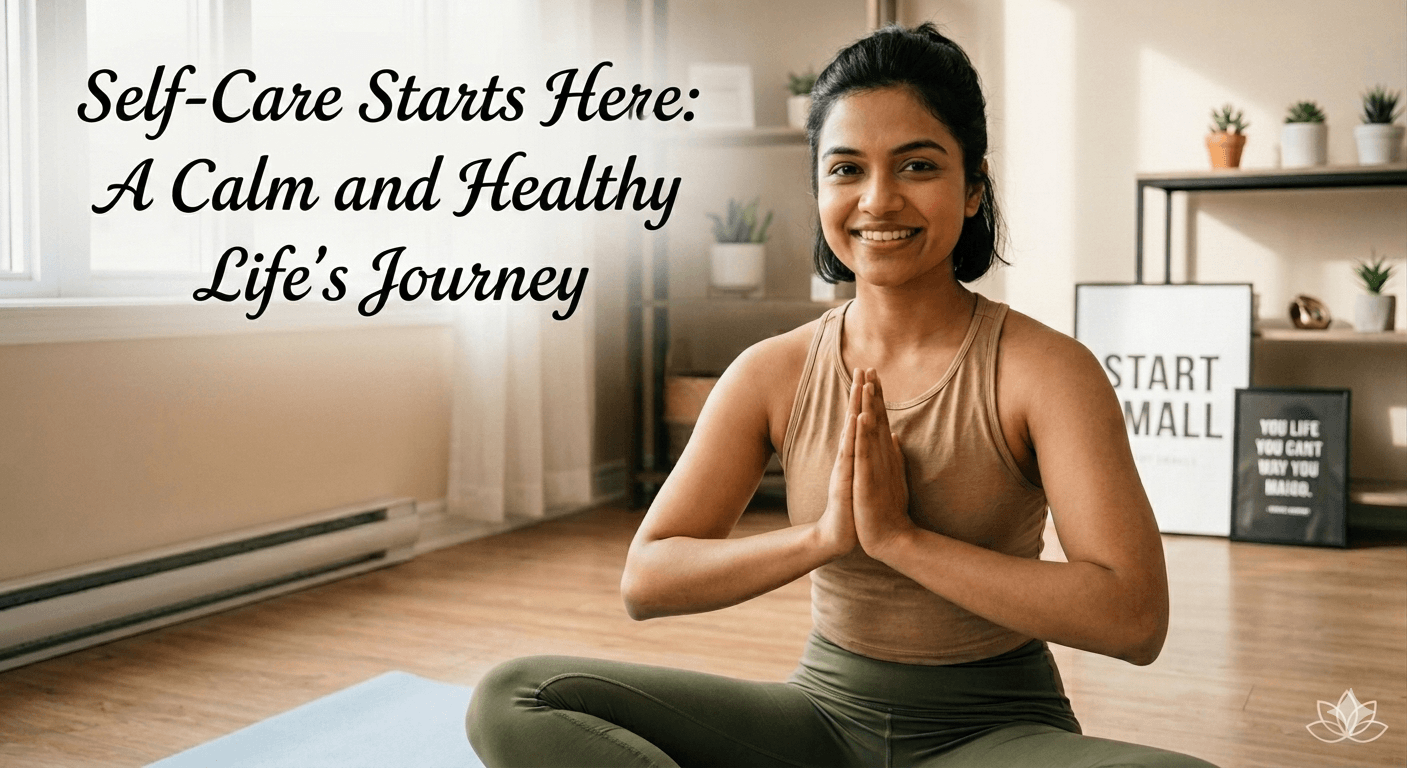
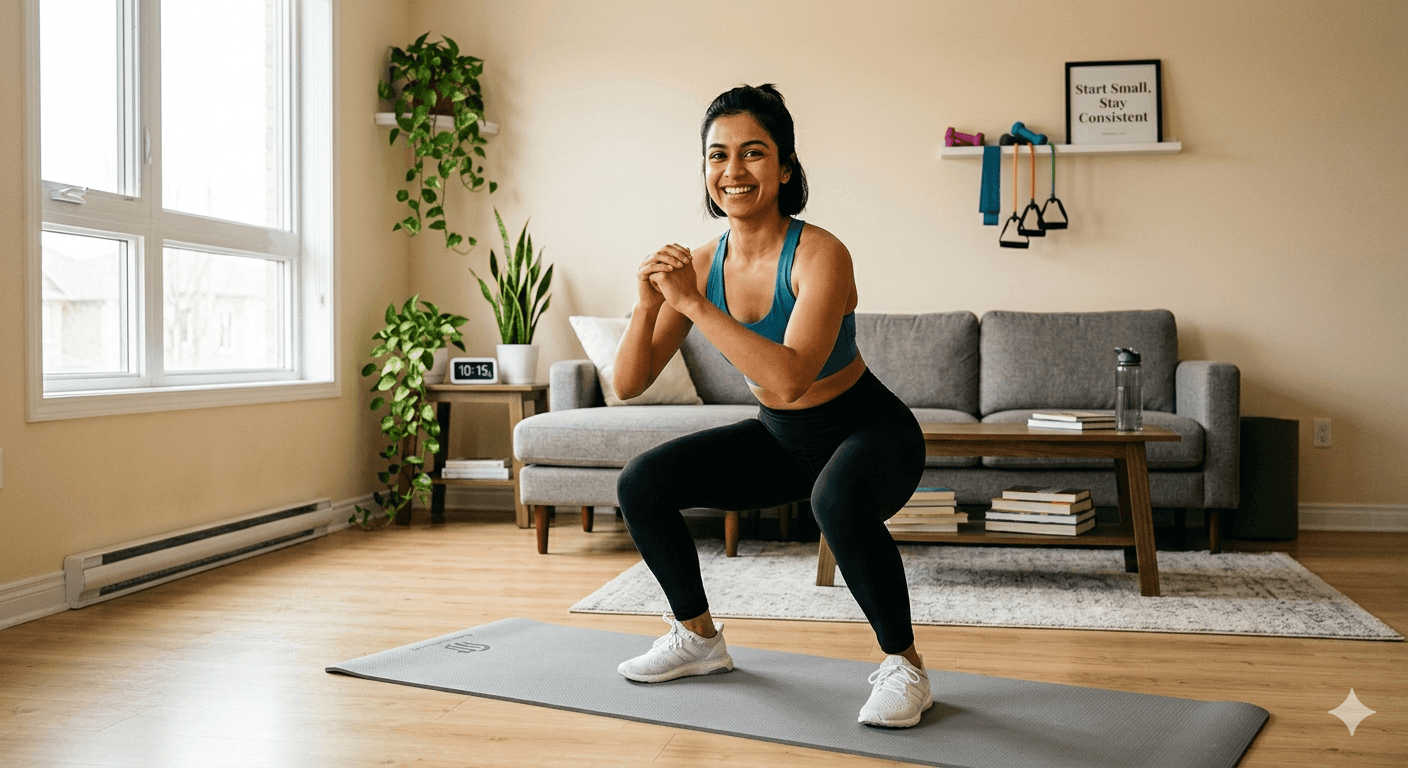
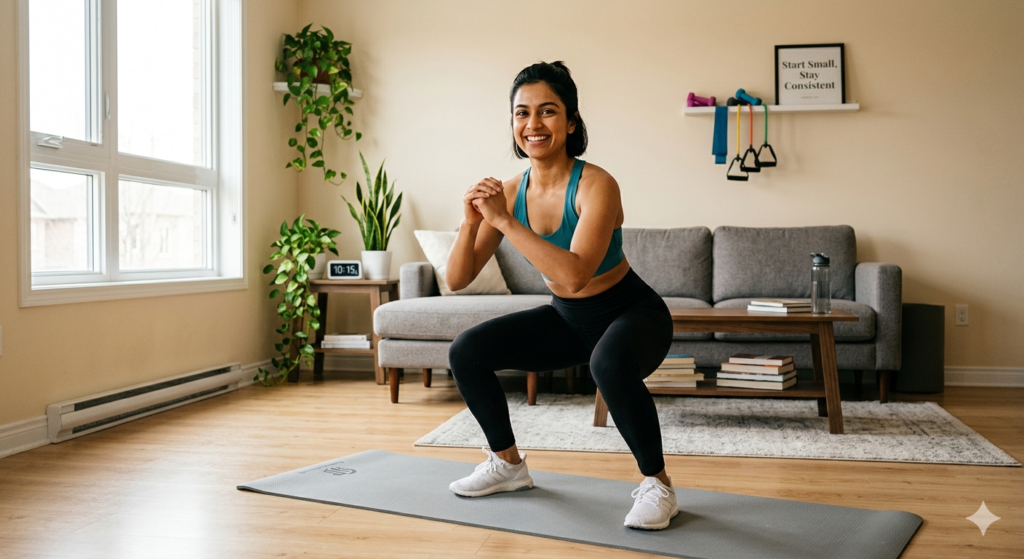
Another advantage of a quick home workout is convenience. There’s no need for expensive equipment or gym memberships. You can perform these exercises in your living room, bedroom, or any small space you have available. This makes it ideal for people who prefer privacy or simply want to avoid the hassle of traveling to a gym.
More importantly, starting small builds confidence. When you commit to just 15 minutes a day, it becomes easier to stay consistent. Over time, these small efforts turn into a healthy habit that supports both physical and mental well-being. Whether your goal is to lose weight, gain strength, or simply stay active, a short daily routine can be the perfect starting point.
This guide is designed specifically for busy beginners who want a simple, effective, and realistic way to begin their fitness journey without feeling overwhelmed.
Here is the next section (200 words) written naturally:
Benefits of a 15-Minute Workout
A 15-minute workout may seem too short to make a difference, but when done consistently, it can deliver impressive results. One of the biggest advantages is that it easily fits into even the busiest schedules. Instead of delaying fitness due to lack of time, you can complete a quick session and still move forward with your day without stress.
Another key benefit is improved energy levels. Short workouts help increase blood circulation and oxygen flow in the body, which can make you feel more active and focused throughout the day. This is especially helpful for people who spend long hours sitting or working on screens.
Consistency is also easier to maintain with shorter workouts. When a routine feels manageable, you are more likely to stick with it daily. This consistency plays a major role in achieving long-term fitness goals, whether it’s weight loss, muscle tone, or general health improvement.
Additionally, a 15-minute routine reduces mental pressure. Beginners often feel overwhelmed by long and intense workouts, but a short session feels achievable and less intimidating. Over time, this builds confidence and creates a strong foundation for a healthier lifestyle without burnout or frustration.
What You Need Before You Start
One of the best things about a simple 15-minute home workout is that it requires very little preparation. You don’t need a fully equipped gym or expensive gear to get started. In fact, most beginners can perform this routine using just their body weight, making it both cost-effective and convenient.
First, choose a small, comfortable space in your home where you can move freely without obstacles. It could be your bedroom, living room, or even a quiet corner. Make sure the area is clean and safe to avoid any risk of slipping or injury during exercises.
Wearing comfortable clothing is also important. Choose outfits that allow easy movement and help you stay cool during the workout. Proper footwear, like lightweight sports shoes, can provide better support, although some exercises can also be done barefoot on a soft surface.
You may also want to keep a water bottle nearby to stay hydrated, especially if you’re new to exercising. While equipment is not necessary, a yoga mat can add extra comfort, particularly for floor exercises like planks or stretches.
By keeping things simple and accessible, you remove excuses and make it easier to start your fitness journey with confidence and consistency.
Warm-Up (2–3 Minutes)
Before jumping into your workout, it’s important to spend a few minutes warming up your body. Many beginners skip this step, but it plays a key role in preventing injuries and improving overall performance. A proper warm-up prepares your muscles, joints, and heart for physical activity, making your workout more effective and safer.
A short 2–3 minute warm-up is enough to get your body ready. The goal is to gradually increase your heart rate and loosen up stiff muscles. You can start with simple movements like arm circles, shoulder rolls, and light jogging in place. These exercises help activate different parts of the body without putting too much strain on them.
Dynamic stretches are also a good option during warm-up. For example, leg swings, gentle squats, or torso twists can improve flexibility and mobility. The key is to keep your movements controlled and steady rather than rushing through them.
Warming up also helps you mentally prepare for the workout ahead. It allows you to focus, improve coordination, and get into the right mindset. Even though it only takes a few minutes, this step can make a noticeable difference in how your body feels during and after the workout.
Skipping warm-up might save time, but it increases the risk of discomfort or injury, especially for beginners.
Exercise 1: Jumping Jacks (Cardio Boost)
Jumping jacks are one of the simplest yet most effective full-body cardio exercises you can include in a beginner home workout. They help raise your heart rate quickly, improve blood circulation, and activate multiple muscle groups at the same time. This makes them an excellent starting exercise after your warm-up.
To perform jumping jacks correctly, stand straight with your feet together and arms resting at your sides. Now jump slightly while spreading your legs wider than shoulder-width and simultaneously raise your arms above your head. Then jump back to the starting position. Repeat this movement at a steady pace.
For beginners, it is important to maintain control rather than speed. Focus on smooth and balanced movements instead of rushing. If full jumping jacks feel too intense at first, you can modify the exercise by stepping one leg out at a time while raising your arms slowly.
This exercise not only improves cardiovascular endurance but also helps in burning calories effectively in a short amount of time. It also engages your shoulders, legs, and core, making it a great full-body movement.
Doing jumping jacks for 30–60 seconds can significantly boost your energy level and prepare your body for the rest of the workout routine.
Exercise 2: Bodyweight Squats
Bodyweight squats are one of the most important foundational exercises in any beginner workout routine. They primarily target the lower body, including the thighs, hips, and glutes, while also engaging the core for stability. This makes them a highly effective movement for building strength, improving mobility, and supporting overall functional fitness.
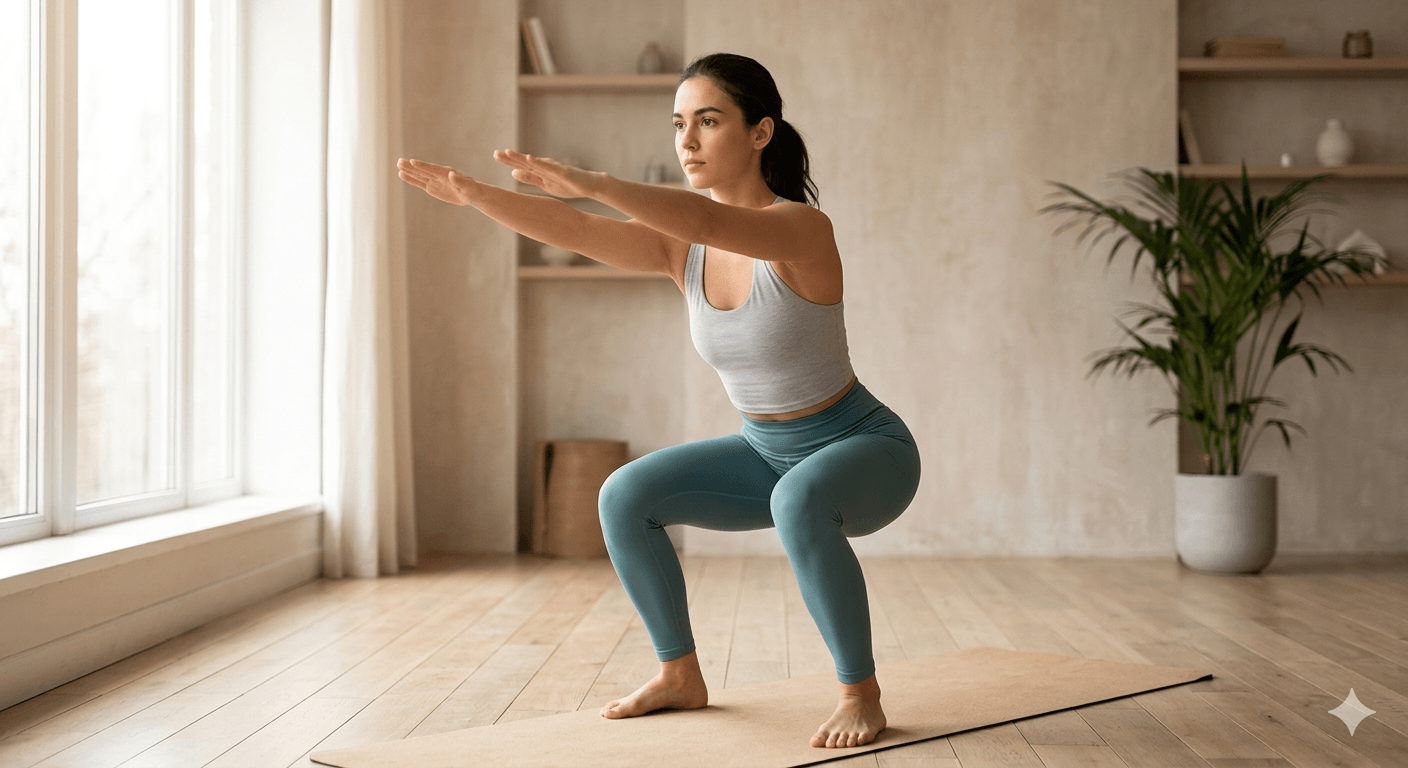
To perform a proper squat, start by standing with your feet shoulder-width apart. Keep your chest upright, shoulders relaxed, and core slightly engaged. Slowly push your hips backward as if you are sitting on a chair. While lowering your body, bend your knees but ensure they do not move too far past your toes. Go down until your thighs are roughly parallel to the ground, then push through your heels to return to the starting position.
For beginners, control is more important than depth or speed. It is better to perform fewer perfect squats than many incorrect ones. Maintaining proper posture helps prevent knee strain and ensures that the correct muscles are being activated. If balance is an issue, you can extend your arms forward for stability.
Squats are highly effective because they mimic natural body movements used in daily life, such as sitting and standing. This improves overall mobility and reduces stiffness in the lower body, especially for individuals who spend long hours sitting.
In addition to strength benefits, squats also help improve calorie burn when included in a circuit workout. Performing 10–15 controlled repetitions is a good starting point for beginners. Over time, you can gradually increase repetitions or add variations to make the exercise more challenging.
Consistency with squats builds a strong lower body foundation, which supports better posture, balance, and overall physical performance in daily activities.
Exercise 3: Push-Ups (Modified if Needed)
Push-ups are a classic upper-body exercise that help build strength in the chest, shoulders, triceps, and core. Even though they may look simple, they are highly effective for improving overall body strength and stability. For beginners, push-ups can feel challenging at first, but with the right technique and modifications, they become much easier to perform and gradually build endurance.
To do a basic push-up, start in a plank position with your hands placed slightly wider than shoulder-width apart. Keep your body in a straight line from head to heels. Slowly lower your body by bending your elbows until your chest is close to the ground, then push back up to the starting position. It is important to maintain a tight core throughout the movement to avoid sagging hips or raised hips, which can reduce effectiveness and increase the risk of strain.
If standard push-ups are too difficult, beginners can start with modified versions. One common variation is knee push-ups, where you keep your knees on the ground while maintaining proper upper-body form. Another option is incline push-ups using a wall, table, or sofa for support. These variations reduce the amount of body weight being lifted, making the exercise more manageable.
Push-ups not only build upper body strength but also improve posture and core stability. They are especially useful for balancing the body after lower-body exercises like squats. Starting with 5–10 controlled repetitions is ideal for beginners, and you can gradually increase the number as your strength improves.
With consistent practice, push-ups become easier and more effective, helping you develop a stronger and more balanced upper body over time.
Exercise 4: Plank Hold (Core Strength)
The plank is one of the most effective core-strengthening exercises in any beginner workout routine. Unlike many dynamic exercises, the plank is an isometric hold, meaning you maintain a fixed position while engaging multiple muscle groups. It primarily targets the core, including the abdominal muscles, lower back, and obliques, but also activates the shoulders, arms, and glutes for stability.
To perform a plank correctly, start by lying face down on the floor. Place your forearms on the ground with elbows directly under your shoulders. Lift your body off the floor by engaging your core and keeping your body in a straight line from head to heels. Your hips should neither sag downward nor rise too high. The goal is to maintain a neutral spine throughout the hold.
Breathing plays an important role during the plank. Many beginners tend to hold their breath, but steady breathing helps maintain endurance and reduces unnecessary tension. Focus on slow, controlled breaths while keeping your core tight.
For beginners, holding a plank for 20–30 seconds is a good starting point. As strength improves, the duration can gradually be increased. If a full plank feels too challenging, you can modify the exercise by keeping your knees on the ground while maintaining proper upper-body alignment.
The plank is highly effective for improving posture, reducing back pain, and enhancing overall stability. A strong core supports almost every movement in daily life and other exercises in your workout routine.
Regular practice of the plank helps build endurance and control, making it a key component of a balanced fitness program.
Exercise 5: Lunges
Lunges are a highly effective lower-body exercise that helps improve strength, balance, and coordination. They mainly target the quadriceps, hamstrings, and glutes while also engaging the core for stability. Because lunges involve one leg working at a time, they are especially useful for correcting muscle imbalances and improving overall body symmetry.
To perform a basic lunge, start by standing straight with your feet hip-width apart. Step forward with one leg and lower your body until both knees form approximately 90-degree angles. Your front knee should be aligned with your ankle, while your back knee should hover just above the ground without touching it. Push through the front heel to return to the starting position, then switch legs and repeat the movement.
For beginners, maintaining balance is often the biggest challenge. To make the exercise easier, you can perform stationary lunges instead of walking lunges. It is also helpful to slow down the movement and focus on proper form rather than speed or depth.
Lunges are excellent for building functional strength, which supports everyday activities like walking, climbing stairs, and lifting objects. They also improve hip flexibility and core stability, making them a valuable addition to any beginner workout routine.
Starting with 8–10 repetitions per leg is ideal for beginners. As your strength and balance improve, you can gradually increase the number of repetitions or add variations such as reverse lunges or side lunges.
Consistent practice of lunges helps develop stronger legs, better balance, and improved overall athletic performance.
Cool-Down and Stretching (2–3 Minutes)
After completing the main workout, it is important to allow your body to cool down properly. Many beginners often overlook this step, but cooling down helps the body gradually return to its normal resting state. It reduces muscle stiffness, prevents dizziness, and supports faster recovery after exercise.
A simple 2–3 minute cool-down is enough for a beginner routine. You can start with slow walking in place or gentle movements to bring your heart rate down gradually. This helps prevent sudden drops in blood pressure that can occur if you stop exercising abruptly.
After that, focus on stretching the muscles you have used during the workout. For example, stretch your legs, arms, shoulders, and back slowly and gently. Hold each stretch for about 15–20 seconds without bouncing. This improves flexibility and helps reduce muscle soreness the next day.
Some easy stretches include hamstring stretches, quadriceps stretches, shoulder stretches, and child’s pose for the back. The key is to keep your body relaxed and avoid forcing any movement.
Cool-down also plays a mental role. It gives your body a signal that the workout is complete, helping you relax and recover both physically and mentally. This short phase can improve long-term performance and reduce the risk of injury.
By consistently including a cool-down routine, you ensure better recovery, improved flexibility, and a healthier overall fitness experience.
Got it. Next section (300 words, expanded properly):
Weekly Workout Plan for Beginners
Having a structured weekly plan is essential for beginners because it removes confusion and helps build consistency. A 15-minute home workout routine is most effective when it is followed in an organized schedule rather than done randomly. Without a plan, many people either overtrain at the beginning or lose motivation within a few days.
For beginners, the ideal frequency is 4 to 5 days per week. This allows the body enough time to recover while still maintaining regular activity. A simple structure could include workout days on Monday, Tuesday, Thursday, and Saturday, with rest or light activity on the remaining days. Rest days are not a sign of laziness; they are a necessary part of muscle recovery and growth.
Each workout session should include the same basic structure: a 2–3 minute warm-up, around 10–12 minutes of exercises, and a 2–3 minute cool-down. This keeps the routine balanced and prevents injury. Over time, consistency matters more than intensity, especially for beginners.
On rest days, light activities such as walking, stretching, or simple mobility exercises can be included. This helps keep the body active without putting too much stress on the muscles. It also improves blood circulation and reduces stiffness.
Beginners should avoid the common mistake of trying to do workouts every single day without rest. This often leads to fatigue, soreness, and loss of motivation. Instead, following a planned schedule helps the body adapt gradually and safely.
As fitness improves, the routine can be adjusted by increasing repetitions, adding variations, or slightly extending workout duration. However, changes should always be gradual to avoid injury.
A consistent weekly plan builds discipline, improves results, and turns a short 15-minute workout into a long-term healthy habit.
Tips to Stay Consistent
Consistency is the most important factor in any fitness journey, especially for beginners following a 15-minute home workout routine. Even the best workout plan will not deliver results if it is not done regularly. The goal is not perfection, but building a habit that becomes a natural part of your daily life.
One of the most effective ways to stay consistent is to set a fixed time for your workout every day. Whether it is morning or evening, choosing a specific time helps create a routine that your mind and body can adapt to. When exercise becomes part of your schedule, it is less likely to be skipped.
Another useful tip is to start small and stay realistic. Many beginners make the mistake of setting very high expectations, which can quickly lead to burnout. A 15-minute routine is already designed to be manageable, so focus on completing it regularly rather than pushing yourself too hard in the beginning.
Tracking your progress can also improve motivation. You can note down the days you complete your workout or simply keep a mental record of your consistency. Seeing improvement over time builds confidence and encourages you to continue.
It also helps to stay flexible and forgiving. Missing one day is not a failure; what matters is getting back on track the next day. Building a long-term habit is more important than being perfect every single day.
Finally, remind yourself of your goals regularly, whether it is improving health, losing weight, or increasing energy levels. Keeping your purpose clear makes it easier to stay committed.
With the right mindset and simple strategies, staying consistent becomes much easier and more natural over time.
Common Mistakes to Avoid
When starting a 15-minute home workout routine, beginners often make small mistakes that can slow progress or even lead to discomfort. Understanding these mistakes early can help you train more effectively and safely.
One of the most common mistakes is skipping the warm-up or cool-down. Many people think these steps are optional, but they are actually very important. A proper warm-up prepares the muscles for movement, while a cool-down helps the body recover and reduces soreness. Skipping them increases the risk of injury and stiffness.
Another frequent issue is poor exercise form. Beginners often focus on doing more repetitions instead of doing the movements correctly. Incorrect posture during squats, push-ups, or planks can reduce results and put unnecessary pressure on joints. It is always better to perform fewer reps with correct form than many reps with bad technique.
Overtraining is also a common problem. Some beginners believe that exercising every day without rest will give faster results. In reality, the body needs time to recover and repair muscles. Without rest, fatigue builds up, which can lead to loss of motivation and decreased performance.
Lack of consistency is another major mistake. Starting strong for a few days and then stopping breaks the progress cycle. Fitness results come from steady, repeated effort over time, not short bursts of activity.
Lastly, many people compare their progress with others. Every individual has a different fitness level, so comparison can lead to frustration and demotivation.
Avoiding these mistakes helps ensure a safer, more effective, and more enjoyable fitness journey.
Conclusion
A simple 15-minute home workout routine is one of the most practical ways for beginners to start their fitness journey, especially when time and resources are limited. It proves that staying active does not always require long hours in the gym or expensive equipment. What matters most is consistency, proper technique, and a willingness to improve gradually over time.
This routine covers all essential aspects of fitness, including cardio, strength training, core stability, and flexibility. Exercises like jumping jacks, squats, push-ups, planks, and lunges work together to provide a balanced full-body workout in a short amount of time. When performed correctly and regularly, these movements can significantly improve overall health, energy levels, and physical strength.
Another important takeaway is that progress does not happen overnight. Beginners should focus on building habits rather than chasing quick results. Even small daily efforts can lead to noticeable changes in stamina, posture, and confidence over time. The key is to stay patient and committed.
It is also important to remember that rest, warm-ups, and cool-downs are just as important as the exercises themselves. These elements protect the body, support recovery, and ensure long-term sustainability of the workout routine.
Ultimately, this 15-minute plan is not just about exercise—it is about creating a healthier lifestyle that fits easily into a busy schedule. With discipline and consistency, anyone can turn this simple routine into a powerful habit that supports lifelong fitness and well-being.
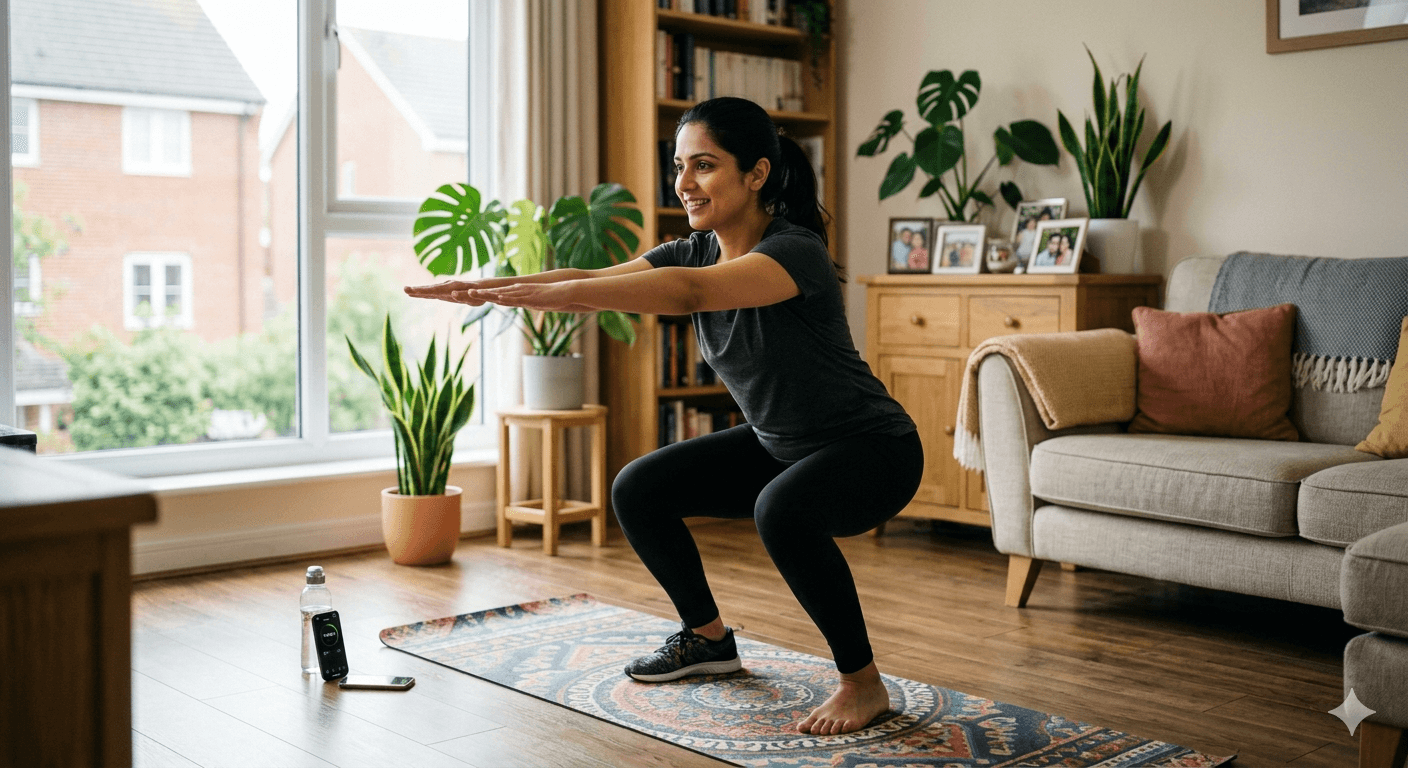
beginners can perform this routine
Frequently Asked Questions (FAQs)
1. Can I really get fit with just a 15-minute workout?
Yes, if you stay consistent. A 15-minute workout can improve strength, stamina, and overall fitness, especially for beginners.
2. How many days a week should I do this routine?
For beginners, 4 to 5 days per week is ideal. This gives your body enough time to recover while staying active.
3. Do I need any equipment for this workout?
No, this routine is designed for home use and mainly uses bodyweight exercises. A yoga mat is optional for comfort.
4. What is the best time to do this workout?
Any time that fits your schedule works. Morning is often preferred for better energy and consistency, but evening is also fine.
5. How long will it take to see results?
With regular practice and a balanced lifestyle, beginners may start noticing improvements in 3–4 weeks.