
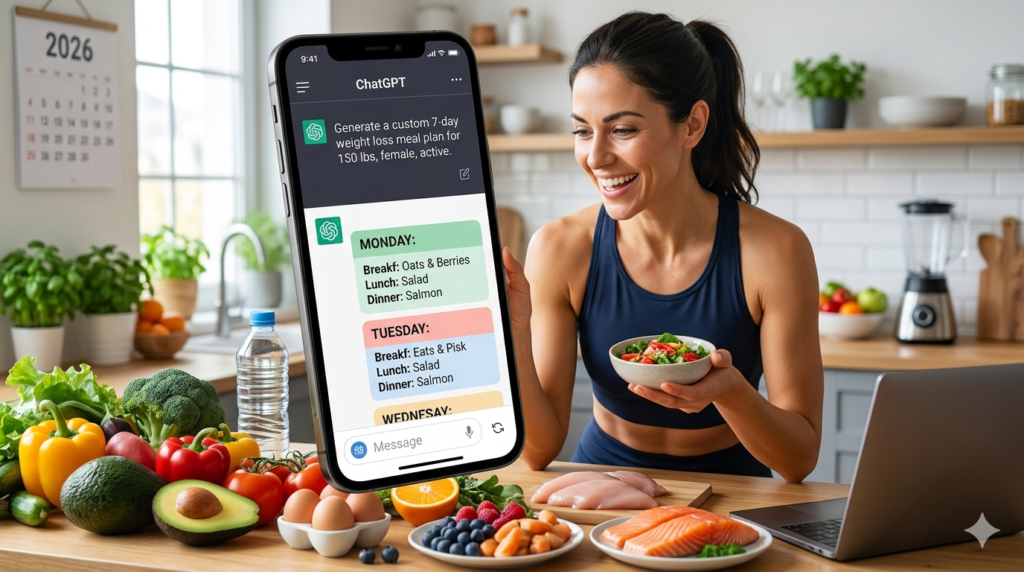
Introduction: A Smarter Way to Lose Weight in 2026
Looking for the exact ChatGPT prompt for weight loss meal plan to transform your fitness journey without spending money on expensive dieticians? Losing weight has never been easy, and if you’ve ever tried following strict diet plans or cutting out your favorite foods, you already know how frustrating it can be. Most traditional meal plans feel too rigid, too confusing, or simply unrealistic for everyday life. That’s exactly why so many people in 2026 are turning to smarter solutions instead of struggling with outdated methods.
One of the biggest changes we’re seeing today is how technology is stepping into the world of health and fitness. Instead of guessing what to eat or spending hours searching for the “perfect diet,” people are now using a tailored ChatGPT prompt for weight loss meal plan to create diet charts that actually fit their lifestyle. It’s quick, flexible, and surprisingly easy to use. You just provide a few details about yourself, and within seconds, you get a plan that feels personalized rather than forced.
What makes this approach different is the level of control it gives you. You’re not blindly following someone else’s diet—you’re building something that works for your routine, your taste, and your goals. Whether you want to lose weight fast or simply eat healthier, having a customized plan can make a huge difference in staying consistent.
That said, it’s important to stay realistic. There’s no shortcut that magically melts fat overnight. Real results still depend on discipline, balance, and consistency. But when used the right way, a smart ChatGPT prompt for weight loss meal plan can make the whole process much simpler and less overwhelming. In this guide, you’ll learn how to use ChatGPT to create an effective weight loss meal plan, along with practical tips that actually work in real life.
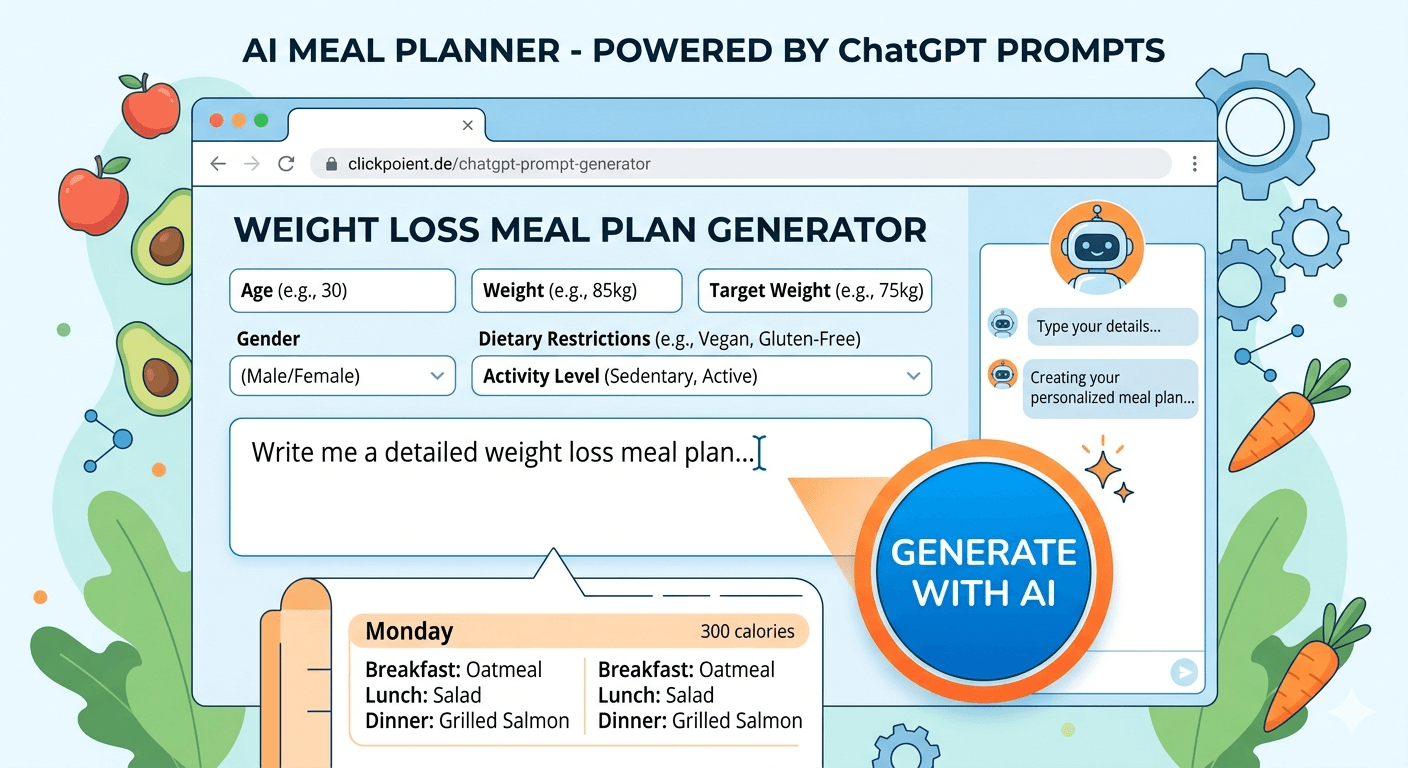
What is a ChatGPT Weight Loss Meal Plan?
A ChatGPT weight loss meal plan is a personalized diet plan created with the help of artificial intelligence, designed to match your specific body needs and fitness goals. Instead of following a generic diet you find online, this approach allows you to generate a plan that actually makes sense for your lifestyle. You simply provide details like your age, weight, height, activity level, and your target—whether it’s fast weight loss, fat reduction, or maintaining a balanced diet—and the tool builds a structured plan around that information.
What makes it different from traditional meal plans is the level of customization. Most diets you see on the internet are created for a broad audience, which means they don’t always work for everyone. For example, a plan that works for someone with an active lifestyle may not be suitable for someone who sits most of the day. ChatGPT helps bridge that gap by adjusting your meals based on your routine, preferences, and even the type of food you enjoy eating.
Another important aspect is flexibility. You’re not locked into a fixed meal chart. If you don’t like a certain food, have dietary restrictions, or want to include local dishes, you can simply tweak your input and get a revised plan instantly. This makes it much easier to stay consistent, which is one of the biggest challenges in any weight loss journey.
In simple terms, a ChatGPT weight loss meal plan acts like a digital assistant that guides your eating habits in a smarter way. It doesn’t replace professional advice, but it definitely makes planning your diet easier, faster, and more practical for everyday life.
When you configure a custom ChatGPT prompt for weight loss meal plan, you bridge the gap between hard fitness science and everyday practical cooking. This setup ensures that your daily nutritional benchmarks align completely with your lifestyle needs.
official OpenAI ChatGPT interface
Key Benefits of Using ChatGPT for Meal Planning
One of the biggest advantages of using ChatGPT for meal planning is how much time and effort it saves. Traditionally, creating a proper diet plan requires research, calorie calculations, and a lot of trial and error. Many people either give up halfway or end up following plans that don’t suit them. With ChatGPT, this entire process becomes much simpler. Within seconds, you can generate a structured meal plan without needing any technical knowledge about nutrition.
Another major benefit is customization. Unlike generic diet charts, ChatGPT allows you to create a plan based on your personal needs. Whether you prefer home-cooked meals, follow a specific cuisine, or have dietary restrictions, the plan can be adjusted accordingly. This level of personalization makes it easier to stick to your diet because you’re eating foods you actually enjoy, not forcing yourself to follow something unrealistic.
Finding a balanced routine is easier when you have a dedicated ChatGPT prompt for weight loss meal plan running in your browser. This smart automation helps you stay consistent because a well-crafted ChatGPT prompt for weight loss meal plan eliminates the confusion of calculating raw calories every morning.
Cost-effectiveness is also an important factor. Hiring a professional nutritionist or dietitian can be expensive, especially for long-term guidance. ChatGPT offers a practical alternative by providing useful meal planning assistance for free or at a very low cost. While it may not fully replace expert advice, it still gives you a strong starting point without putting pressure on your budget.
Flexibility is another reason why many people prefer this method. Life isn’t always predictable—you may have busy days, social events, or sudden cravings. Instead of completely breaking your diet, you can quickly ask ChatGPT to modify your plan. This adaptability helps you stay consistent over time, which is key to achieving real results.
Lastly, ChatGPT helps reduce confusion. There is so much conflicting information online about what to eat and what to avoid that people often feel overwhelmed. By generating a clear and simple plan, it removes that uncertainty and gives you direction. When you know exactly what to eat, it becomes much easier to stay focused and committed to your weight loss journey.
Many fitness enthusiasts fail because their diet charts are too generic. However, deploying a tailored ChatGPT prompt for weight loss meal plan allows you to substitute expensive ingredients with low-cost local foods seamlessly. This is why a strategic ChatGPT prompt for weight loss meal plan is highly recommended for beginners.
How ChatGPT Creates Personalized Diet Plans
What makes ChatGPT truly useful for weight loss is its ability to create diet plans that feel tailored rather than random. It doesn’t just suggest meals out of nowhere—instead, it works based on the information you provide. The more accurate your input is, the better and more practical your meal plan will be.
It usually starts with basic details such as your age, weight, height, gender, and daily activity level. These factors help estimate how many calories your body needs to maintain its current weight. From there, a calorie deficit is applied if your goal is weight loss, which simply means consuming fewer calories than your body burns. This step is important because without a proper calorie balance, even the healthiest meals may not lead to results.
Another key part of the process is macronutrient distribution. ChatGPT can divide your daily calories into proteins, carbohydrates, and fats based on your goal. For example, if you’re trying to lose weight while maintaining muscle, your plan may include higher protein intake. If your focus is general health, the balance might be more moderate. This structured breakdown ensures that your body gets the nutrients it needs while still supporting fat loss.
What really adds value is flexibility. You can specify your food preferences, such as vegetarian meals, low-carb diets, or even local homemade foods. If you dislike certain ingredients or have allergies, you can mention that too. Based on this, ChatGPT adjusts the plan so it feels realistic and easier to follow in daily life.
Metabolic tracking becomes highly accurate once you feed your exact biometric metrics into a precise ChatGPT prompt for weight loss meal plan. Nutrition experts suggest that a custom-tailored ChatGPT prompt for weight loss meal plan works much better than rigid, pre-made internet diet charts.
It’s also worth noting that the process is not fixed. You can keep improving your plan by refining your prompts. If something doesn’t work for you, you can simply ask for changes—like quicker meals, cheaper options, or more variety. This back-and-forth makes the experience feel more like working with a guide rather than following a strict diet.
In simple terms, ChatGPT creates personalized diet plans by combining your personal data with basic nutrition principles, then shaping everything into a plan that fits your lifestyle.
health benefits of a sustainable calorie deficit
The Master ChatGPT Prompt for Weight Loss Meal Plan (Copy & Paste)
One of the most important factors in getting a good meal plan from ChatGPT is how you write your prompt. Many people make the mistake of using very short or vague prompts like “give me a weight loss diet,” which usually leads to generic and less useful results. If you want a plan that actually works for you, your prompt needs to be clear, detailed, and specific.
A good prompt should include your basic information, your goal, and any preferences you have. Think of it like giving instructions to a personal assistant—the more details you provide, the better the outcome will be. For example, instead of asking for a simple diet plan, you can mention your age, weight, height, activity level, and how quickly you want to lose weight. You can also include food preferences, such as whether you prefer home-cooked meals, vegetarian options, or specific cuisines.
Here’s a simple beginner-friendly prompt you can use:
“Create a 7-day weight loss meal plan for a 25-year-old male, 75 kg weight, 5.8 ft height, with a moderate activity level. The goal is to lose weight fast but in a healthy way. Include breakfast, lunch, dinner, and snacks with simple and affordable foods.”
If you want more advanced results, you can refine your prompt further by adding calorie targets or macronutrient preferences. For example, you might ask for a high-protein, low-carb plan or request meals under a specific calorie limit. You can even ask for local foods to make the plan more practical and budget-friendly.
Another useful tip is to keep improving your prompts. If the first result isn’t perfect, don’t hesitate to ask for changes—like quicker recipes, fewer ingredients, or more variety. This trial-and-adjust approach helps you get closer to a plan that truly fits your routine.
In short, the quality of your results depends heavily on the quality of your prompt. A well-written prompt can turn ChatGPT into a powerful tool for creating an effective and personalized weight loss meal plan.
Example: 7-Day Weight Loss Meal Plan Generated by ChatGPT
To better understand how effective ChatGPT can be, let’s look at a sample 7-day weight loss meal plan. This type of plan is usually structured to include balanced nutrition while maintaining a calorie deficit, which is essential for losing weight. The goal here is not just to eat less, but to eat smart by choosing foods that keep you full and energized throughout the day.
A typical day in such a plan starts with a simple but nutritious breakfast. This could include options like boiled eggs with whole wheat toast, oatmeal with fruits, or yogurt with a handful of nuts. These meals are designed to provide a good mix of protein and fiber, helping you stay full for longer and avoid unnecessary snacking.
For lunch, the focus is usually on lean protein and controlled portions of carbohydrates. Meals like grilled chicken with brown rice, lentils with chapati, or vegetable salads with a protein source are common. These options are not only filling but also provide sustained energy without excessive calories.
Dinner is often kept lighter to support digestion and prevent overeating at night. This might include grilled fish, vegetable soups, or a small portion of rice with curry. The idea is to keep it balanced but not too heavy, especially if your activity level is lower in the evening.
Snacks are also an important part of the plan. Instead of unhealthy options, ChatGPT typically suggests healthier alternatives like fruits, nuts, or green tea. These help control hunger between meals and prevent binge eating.
Over the 7 days, the meals can vary to avoid boredom—different protein sources, vegetables, and cooking styles are introduced to keep things interesting. This variety makes it easier to stay consistent, which is the most important factor in any weight loss journey.
Overall, a ChatGPT-generated meal plan focuses on simplicity, balance, and practicality, making it easier for you to follow it in your daily routine without feeling restricted.
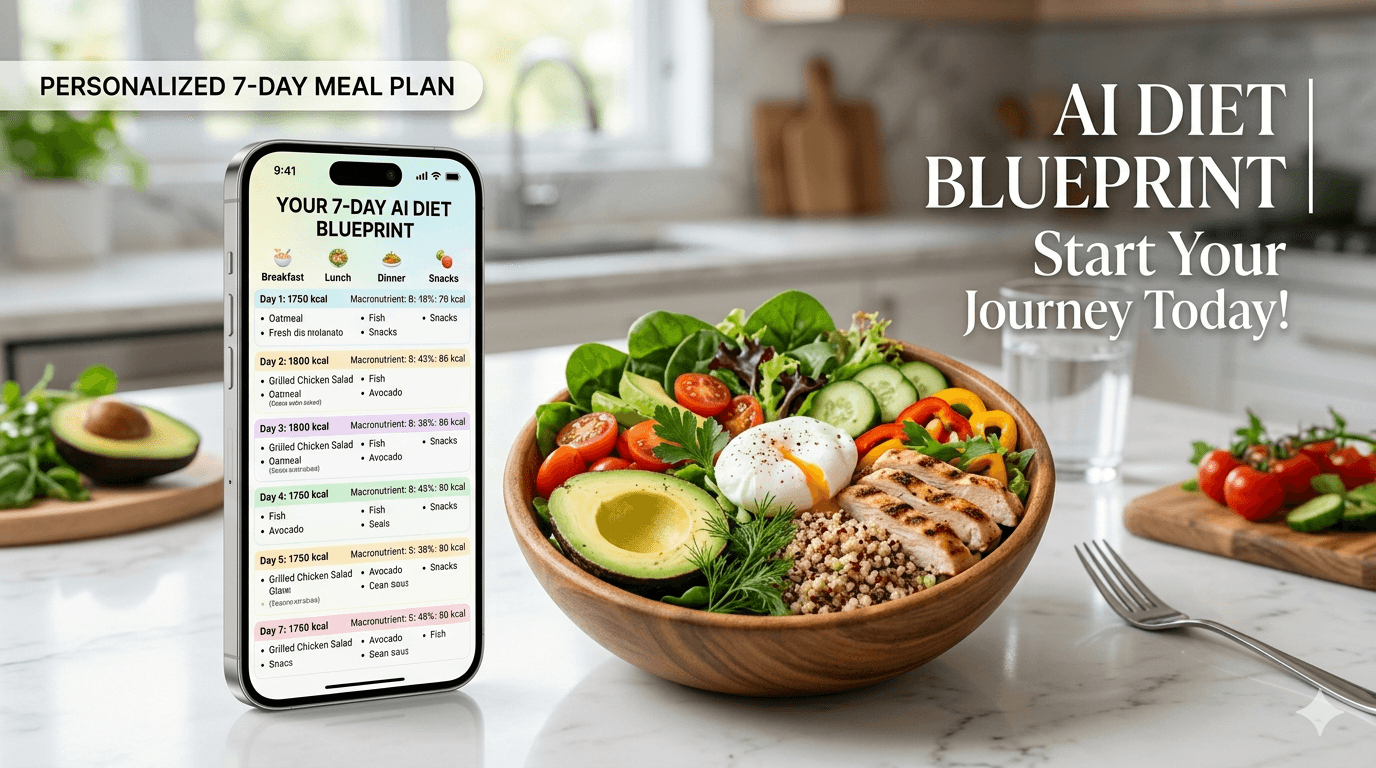
Understanding Calories and Portion Control
If you want to lose weight effectively, you need to understand two key concepts: calories and portion control. No matter what type of diet you follow, weight loss ultimately depends on one simple principle—burning more calories than you consume. This is known as a calorie deficit, and it’s the foundation of almost every successful weight loss plan.
Calories are basically units of energy that your body gets from food. Your body uses this energy for everything—walking, working, even breathing. When you eat more calories than your body needs, the extra energy gets stored as fat. On the other hand, when you consume fewer calories than your body burns, your body starts using stored fat for energy, which leads to weight loss.
However, focusing only on calories isn’t enough. Portion control plays an equally important role. Even healthy foods can lead to weight gain if you eat them in large quantities. For example, foods like rice, nuts, and even fruits are nutritious, but eating too much of them can increase your calorie intake without you realizing it.
This is where ChatGPT can be helpful. It can suggest meal plans with controlled portion sizes, making it easier for you to stay within your calorie limits. Instead of guessing how much to eat, you get a clearer idea of balanced servings for each meal.
A practical way to manage portions is by keeping your meals simple and consistent. Use smaller plates, avoid overeating at night, and pay attention to your hunger levels. Eating slowly can also help, as it gives your body time to signal when you’re full.
In the end, weight loss is not about starving yourself—it’s about eating the right amount of food for your body. When you combine a calorie deficit with proper portion control, you create a sustainable system that helps you lose weight without feeling deprived.
Foods to Eat for Fast Weight Loss
Choosing the right foods is one of the most important parts of any weight loss journey. If your diet is filled with the right nutrients, your body naturally starts to function better, burns fat more efficiently, and keeps you full for longer periods. The goal is not to eat less food, but to eat smarter food that supports your metabolism and reduces unnecessary cravings.
Protein-rich foods should be at the center of your diet. Foods like eggs, chicken, fish, lentils, and Greek yogurt help build muscle and keep you satisfied for longer. Protein also has a higher thermic effect, meaning your body burns more calories digesting it compared to fats or carbs. This makes it especially useful for fast weight loss.
Fiber-rich foods are another key element. Vegetables like broccoli, spinach, carrots, and cucumbers, along with fruits such as apples and berries, help improve digestion and control hunger. Fiber slows down the digestion process, which helps you feel full and prevents overeating throughout the day.
Healthy fats should not be avoided completely. Foods like almonds, walnuts, olive oil, and avocados provide essential nutrients and help balance hormones. When consumed in moderation, they can actually support weight loss instead of blocking it.
Hydration also plays a major role. Drinking enough water throughout the day helps control appetite and improves metabolism. Sometimes the body confuses thirst with hunger, which leads to unnecessary snacking. Staying hydrated helps avoid this mistake.
In simple terms, fast weight loss is not about extreme dieting or skipping meals. It is about building a balanced diet that includes protein, fiber, and healthy fats in the right amounts. When you consistently choose the right foods, your body naturally moves toward fat loss without feeling deprived or low on energy.
Foods to Avoid for Faster Results
When your goal is weight loss, what you avoid eating is just as important as what you include in your diet. Many people focus only on “healthy foods,” but still struggle to lose weight because they continue consuming items that silently slow down progress. Cutting down on the right foods can make a noticeable difference in how quickly your body responds.
One of the biggest obstacles is sugary foods and drinks. Soft drinks, packaged juices, sweets, cakes, and desserts contain high amounts of added sugar, which leads to rapid spikes in blood sugar levels. This not only increases fat storage but also triggers frequent hunger cravings, making it harder to stay in control of your diet.
Processed foods are another major issue. Items like chips, instant noodles, frozen meals, and packaged snacks are often high in calories but low in nutrients. They may feel convenient, but they don’t keep you full for long, which leads to overeating later in the day. Over time, this becomes one of the main reasons people fail to maintain a calorie deficit.
Refined carbohydrates should also be limited. Foods like white bread, white rice in large portions, and bakery items are quickly digested, which can lead to energy crashes and increased hunger. Replacing them with whole grains in controlled portions is a much better option for steady energy and fat loss.
Fried and oily foods are another category to watch carefully. Items like fried chicken, samosas, and fast food meals are extremely calorie-dense. Even small portions can significantly increase your daily calorie intake without providing much nutritional value.
In the end, successful weight loss is not about strict restriction but about making smarter choices. When you reduce or avoid these foods consistently, your body naturally shifts toward burning fat more efficiently, making your results faster and more sustainable.
Common Mistakes When Using ChatGPT for Diet Plans
Even though ChatGPT is a powerful tool for creating weight loss meal plans, many people don’t get the results they expect because they use it the wrong way. The problem is not the tool itself, but how it is used. Small mistakes in your approach can lead to generic, unrealistic, or ineffective diet plans.
One of the most common mistakes is using very vague prompts. Many users simply type something like “give me a weight loss diet” and expect a perfect result. The issue with this is that ChatGPT does not have enough information about your body, lifestyle, or goals. As a result, it generates a general plan that may not suit your needs.
Another mistake is ignoring personal factors such as activity level, age, and current weight. These details are essential for creating a proper calorie deficit. Without them, the plan may either be too strict or too relaxed, which can slow down progress or make it hard to follow consistently.
Some people also make the mistake of expecting instant results. They assume that just following a ChatGPT-generated plan for a few days will lead to fast weight loss. In reality, sustainable weight loss takes time, discipline, and consistency. The meal plan is only a guide—it still depends on your daily habits.
Another issue is not updating or refining the plan. If something doesn’t work, users often abandon it completely instead of adjusting their prompt. ChatGPT works best when you treat it like an interactive tool. You can modify your plan by asking for changes such as simpler meals, fewer ingredients, or local food options.
In short, most failures happen due to poor input and unrealistic expectations. When used correctly, ChatGPT can be a very effective assistant—but only if you provide clear instructions and stay consistent with your approach.
Extra Tips to Boost Weight Loss Results Along with Diet
A good meal plan is only one part of the weight loss journey. If you really want faster and more noticeable results, you need to support your diet with a few simple lifestyle habits. These small changes can significantly improve how your body burns fat and how consistent you stay with your routine.
One of the most effective habits is regular physical activity. You don’t necessarily need a gym membership to see results. Simple activities like walking, jogging, cycling, or even home workouts can help increase your daily calorie burn. The key is consistency—doing something active every day is far more effective than intense workouts once in a while.
Hydration is another factor that people often underestimate. Drinking enough water throughout the day helps improve metabolism and reduces unnecessary cravings. In many cases, people confuse thirst with hunger, which leads to extra snacking. Staying well-hydrated helps control this problem and supports overall digestion.
Sleep also plays a major role in weight loss. Poor sleep can affect hormones that control hunger and appetite, making you feel hungrier than usual. On the other hand, proper rest helps your body recover and keeps your energy levels stable, which makes it easier to stick to your diet and exercise routine.
Stress management is equally important. High stress levels can lead to emotional eating and unhealthy food choices. Simple practices like deep breathing, short breaks, or light physical activity can help keep stress under control and prevent unnecessary overeating.
In the end, weight loss is not just about food—it’s about building a balanced lifestyle. When you combine a proper diet with regular movement, good hydration, quality sleep, and stress control, your results become much faster, healthier, and more sustainable over time.
Conclusion: Can ChatGPT Really Help You Lose Weight Fast in 2026?
In 2026, weight loss has become more accessible than ever, thanks to tools like ChatGPT. What once required expensive nutritionists, complex diet charts, and hours of research can now be simplified into a few well-written prompts. But the real question is not whether ChatGPT can create a meal plan—it’s whether that plan can actually help you achieve lasting results.
The truth is, ChatGPT is not a magic solution that guarantees instant fat loss. Instead, it works as a smart assistant that guides you in the right direction. It helps you understand what to eat, how much to eat, and how to structure your meals in a way that supports your goals. However, the real transformation still depends on your discipline, consistency, and daily habits.
One of the biggest advantages of using ChatGPT is its flexibility. You are not stuck with a rigid diet that feels impossible to follow. Instead, you can adjust your meal plan based on your preferences, lifestyle, and even budget. This makes it much easier to stay consistent, which is the most important factor in any weight loss journey.
At the same time, it is important to keep expectations realistic. Fast weight loss is often promoted online, but sustainable results always take time. If you try to rush the process through extreme dieting, you may lose weight temporarily but struggle to maintain it later. A balanced approach is always more effective in the long run.
ChatGPT can definitely simplify your journey by removing confusion and providing structure. It gives you a starting point, helps you stay organized, and encourages better eating habits. But it should be seen as a supportive tool, not a replacement for healthy lifestyle choices.
In conclusion, yes—ChatGPT can help you lose weight in 2026, but only if you use it wisely. Combine its guidance with proper exercise, good sleep, hydration, and consistency. When all these elements work together, weight loss becomes not just possible, but sustainable and realistic for everyday life.
In conclusion, managing your diet goals in 2026 becomes effortless once you integrate a smart ChatGPT prompt for weight loss meal plan into your weekly routine. Start running this premium ChatGPT prompt for weight loss meal plan today, track your changes on ClickPoient Hub, and experience sustainable fitness results.
Frequently Asked Questions (FAQs)
1. Can ChatGPT really create an effective weight loss meal plan?
Yes, ChatGPT can create structured and personalized meal plans based on your inputs like age, weight, activity level, and goals. However, results depend on how accurately you provide information and how consistently you follow the plan.
2. Is it safe to follow a ChatGPT-generated diet plan?
In general, ChatGPT provides informational meal suggestions, not medical advice. It is safe for basic planning, but if you have any health conditions or special dietary needs, you should consult a qualified nutritionist or doctor.
3. How fast can I lose weight using ChatGPT meal plans?
Weight loss speed depends on your calorie deficit, lifestyle, and consistency. Healthy weight loss is usually gradual, and trying to lose weight too quickly can be unhealthy and difficult to maintain.
4. Do I need exercise along with ChatGPT diet plans?
Yes, combining diet with physical activity gives much better results. Even simple activities like walking, jogging, or home workouts can significantly improve fat loss and overall health.
5. Can I customize my meal plan after generating it from ChatGPT?
Absolutely. One of the biggest advantages of ChatGPT is flexibility. You can refine your plan anytime by changing prompts, adding preferences, or requesting simpler, cheaper, or local food options.