
Welcome to the Complete Weight Loss Guide for Beginners (2026). If you are looking for a sustainable, science-backed way to transform your body, you are in the right place. The landscape of fitness has evolved. In 2026, we no longer look for “magic pills” or 7-day starvation hacks. We look for Metabolic Sustainability. Weight loss is no longer just about the number on the scale; it is about body composition—losing fat while preserving the lean muscle that keeps your metabolism firing.
The landscape of fitness has evolved. In 2026, we no longer look for “magic pills” or 7-day starvation hacks. We look for Metabolic Sustainability. Weight loss is no longer just about the number on the scale; it is about body composition—losing fat while preserving the lean muscle that keeps your metabolism firing.
This guide provides a scientific yet practical roadmap for beginners to navigate their first 12 to 24 weeks of transformation.
Understanding the Biological Foundation of Weight Loss
Before picking up a dumbbell or ordering a salad, you must understand the “Why” behind the “How.”
The Energy Balance Equation
At its core, weight loss is governed by the First Law of Thermodynamics. Energy cannot be created or destroyed, only transformed.
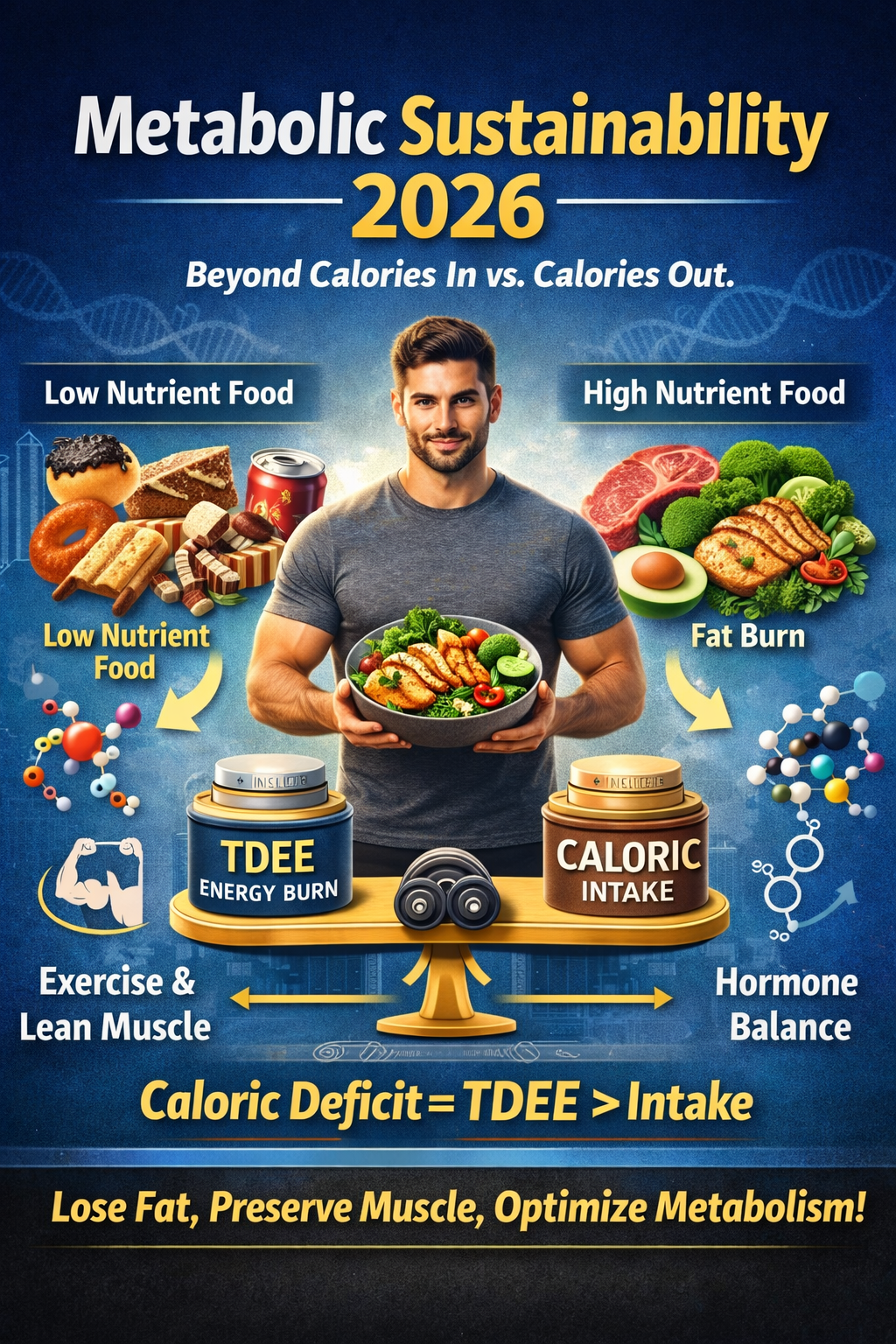
- Total Daily Energy Expenditure (TDEE): This is the total number of calories your body burns in 24 hours.
- Caloric Intake: The energy you consume through food and drink.
To lose weight, you must create a Caloric Deficit, where TDEE > Intake.
Beyond “Calories In vs. Calories Out”
While the math is simple, biology is complex. In 2026, we emphasize Nutrient Density. 500 calories of processed sugar do not affect your hormones the same way 500 calories of steak and broccoli do. The latter triggers satiety hormones (Leptin), while the former triggers fat-storage hormones (Insulin).
Setting the Stage: Calculating Your 2026 Metrics
Generic plans fail because they aren’t tailored to your metabolic rate.
Step 1: Find Your Basal Metabolic Rate (BMR)
Your BMR is what you burn if you stay in bed all day.
- The Revised Harris-Benedict Equation is the gold standard for beginners.
- Formula for Men: BMR = 88.362 + (13.397 × weight in kg) + (4.799 × height in cm) – (5.677 × age in years)
- Formula for Women: BMR = 447.593 + (9.247 × weight in kg) + (3.098 × height in cm) – (4.330 × age in years)
Step 2: Determine Your TDEE
Multiply your BMR by your activity multiplier:
- Sedentary (Office job, no exercise): BMR × 1.2
- Lightly Active (Light exercise 1–3 days/week): BMR × 1.375
- Moderately Active (Moderate exercise 3–5 days/week): BMR × 1.55
- Very Active (Hard exercise 6–7 days/week): BMR × 1.725
Step 3: The “Golden Deficit”
For sustainable fat loss without muscle wasting, subtract 300 to 500 calories from your TDEE. This typically results in 0.5kg (1lb) of fat loss per week.
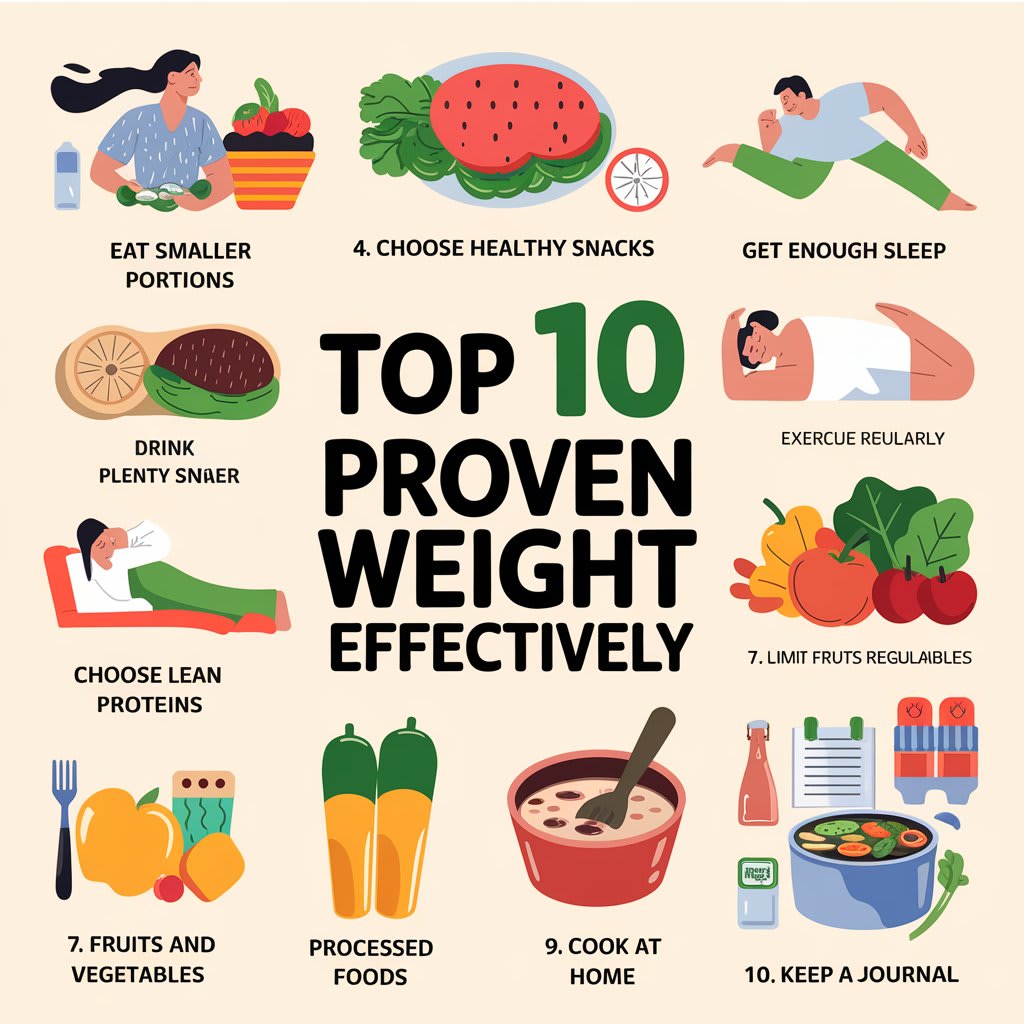
The 2026 Nutrition Blueprint: Quality and Macro-Management
In 2026, we prioritize High-Protein, High-Fiber diets. This combination ensures you stay full and your muscles stay fueled.
The “Big Three” Macronutrients
Your daily calories should be split into Protein, Carbohydrates, and Fats.
Protein: The King of Macros
Protein has the highest Thermic Effect of Food (TEF). Your body burns roughly 20-30% of the protein’s calories just to digest it.
- Goal: 1.6g to 2.2g of protein per kilogram of body weight.
- Sources: Chicken breast, eggs, Greek yogurt, tofu, lentils, and lean beef.
Carbohydrates: The Performance Fuel
Carbs are not the enemy; they fuel your brain and your workouts.
- Strategy: Prioritize “Complex Carbs” (Sweet potatoes, oats, quinoa) over “Simple Carbs” (White sugar, soda).
- Timing: Consume the bulk of your carbs 1-2 hours before or after your workout.
Healthy Fats: The Hormonal Regulator
Fats are essential for hormone production, including testosterone and estrogen.
- Sources: Avocado, extra virgin olive oil, walnuts, and fatty fish like salmon.
The “Fibre 30” Rule
Aim for 30 grams of fiber per day. Fiber slows down digestion, prevents insulin spikes, and improves gut health—a major focus of 2026 weight loss science.
The Ultimate Beginner Workout Plan
Exercise is not just for burning calories; it is for Metabolic Conditioning.
Why Strength Training Trumps “Hours of Cardio”
Cardio burns calories while you do it. Strength training (lifting weights) builds muscle, which burns calories while you sleep. This is known as increasing your “Resting Metabolic Rate.”
The 3-Day Full Body Split (Weeks 1–12)
As a beginner, frequency is better than intensity. Perform this routine three times a week (e.g., Mon/Wed/Fri).
The Routine:
- Goblet Squats: 3 Sets × 12 Reps (Targets legs and core)
- Push-Ups (or Incline Push-Ups): 3 Sets × Max Reps (Targets chest and triceps)
- Dumbbell Rows: 3 Sets × 10 Reps per arm (Targets back and biceps)
- Dumbbell Overhead Press: 3 Sets × 10 Reps (Targets shoulders)
- Plank: 3 Sets × 45 Seconds (Targets core stability)
#
In 2026, we emphasize 10,000 steps a day over 30 minutes of grueling treadmill running. Walking is low-stress and doesn’t increase cortisol, making it the perfect tool for fat loss.
@
Most diets fail not because of the food, but because of the mind and the environment.
Sleep: The Invisible Weight Loss Tool
If you sleep less than 6 hours, your hunger hormone (Ghrelin) increases and your fullness hormone (Leptin) decreases.
- Requirement: 7–9 hours of quality sleep.
- Tip: No screens 60 minutes before bed to optimize melatonin production.
Managing Cortisol
High stress leads to high cortisol, which specifically signals the body to store visceral fat (belly fat).
- Tactics: 5 minutes of daily meditation or a 15-minute nature walk can significantly lower cortisol levels.
Avoiding Common Beginner Mistakes
Mistake 1: Relying on the Scale Alone
The scale does not distinguish between fat, muscle, and water.
- The Fix: Use progress photos, waist measurements, and how your clothes fit.
Mistake 2: The “All or Nothing” Mentality
One bad meal doesn’t ruin a diet, just like one good meal doesn’t make you thin.
- The Fix: Use the 80/20 Rule. 80% whole foods, 20% “fun” foods.
Mistake 3: Over-supplementing
Supplements are the last 5% of your results.
- What actually works: Whey protein (convenience), Creatine Monohydrate (strength), and Vitamin D (hormonal health).
Sample 7-Day “Clean 2026” Meal Plan
| Meal | Option 1 | Option 2 |
|---|---|---|
| Breakfast | Scrambled eggs with spinach & 1 slice of sourdough | Overnight oats with chia seeds and blueberries |
| Lunch | Grilled chicken salad with olive oil dressing | Lentil soup with a side of steamed broccoli |
| Snack | Greek yogurt with 5-10 almonds | One medium apple and a protein shake |
| Dinner | Baked Salmon with quinoa and asparagus | Stir-fry tofu with mixed peppers and brown rice |
Frequently Asked Questions (FAQs)
How long until I see results?
In weeks 1-2, you will lose mostly water weight (2-4kg). In weeks 4-8, fat loss becomes visible. By week 12, your body composition will have noticeably shifted.
Can I lose fat from just my stomach?
No. Spot reduction is a myth. Your body loses fat based on genetics. However, as your overall body fat percentage drops, your stomach will naturally lean out.
Is Intermittent Fasting (16:8) necessary?
It is a tool, not a requirement. If skipping breakfast helps you stay in a caloric deficit, use it. If it makes you binge at lunch, avoid it.
Advanced Nutritional Timing and Metabolic Flexibility
While the total caloric deficit is the most important factor, the timing of your nutrients can optimize how your body partitions those calories—directing them toward muscle repair rather than fat storage.
The Peri-Workout Window
In 2026, sports science emphasizes the “Peri-workout” window (the time immediately before, during, and after exercise).
- Pre-Workout: Consuming fast-digesting carbohydrates (like a banana or rice cakes) 30–60 minutes before training provides the glycogen necessary for high-intensity performance.
- Post-Workout: This is the most critical time for protein. Aim for 30–40g of high-quality protein within 2 hours of training to switch your body from a catabolic (breaking down) state to an anabolic (building up) state.
Metabolic Flexibility
Metabolic flexibility is your body’s ability to switch between burning carbohydrates and burning fat. Beginners often have “stiff” metabolisms. By incorporating Intermittent Fasting (IF) occasionally or reducing carb intake on non-training days, you teach your body to tap into stored body fat for fuel more efficiently.
The Gut-Brain Axis: The Secret to Appetite Control
Recent research in 2026 has confirmed that your “Microbiome” (the bacteria in your gut) dictates your cravings. If you have an overgrowth of bad bacteria, you will crave sugar, making weight loss feel like an uphill battle.
Prebiotics vs. Probiotics
- Probiotics: These are live beneficial bacteria found in fermented foods like Kimchi, Sauerkraut, and Kefir. They help regulate the hormones that tell your brain you are full.
- Prebiotics: These are types of fiber that feed your good bacteria. Onions, garlic, and leeks are excellent sources.
Artificial Sweeteners and Gut Health
While “Zero Calorie” sodas help with caloric deficits, over-reliance on certain artificial sweeteners (like aspartame or sucralose) can disrupt gut flora in some individuals. Transitioning to natural sweeteners like Stevia or Monk Fruit is the 2026 standard for health-conscious weight loss.
Mastering the “Weight Loss Plateau”
Almost every beginner hits a wall at week 6 or 8 where the scale stops moving. This is not a failure; it is a biological adaptation called Adaptive Thermogenesis.
Why Plateaus Happen
Your body is a survival machine. When you lose weight, your body becomes more “efficient,” meaning it burns fewer calories to perform the same tasks. Your BMR actually drops as you get smaller.
Strategies to Break the Stall
- The “Diet Break”: Every 8–12 weeks, bring your calories back up to “Maintenance” level for 7 days. This resets your leptin levels and thyroid hormones, signaling to your body that it is not starving.
- Increase NEAT: If you aren’t losing weight, don’t just eat less. Move more. Increase your daily step count from 8,000 to 12,000.
- Re-calculate Macros: As you lose every 5kg, you must re-calculate your TDEE. A deficit for a 90kg person
- is a maintenance level for an 80kg person.
Environmental Design: Hacking Your Surroundings
Willpower is a finite resource. In 2026, successful weight loss is about Environment Design rather than just “trying harder.”
The “Out of Sight, Out of Mind” Rule
If junk food is in your pantry, you will eventually eat it.
- Action: Audit your kitchen. Replace processed snacks with pre-cut vegetables or Greek yogurt.
- Visual Cues: Keep your workout clothes laid out the night before. This reduces “friction” and makes the healthy choice the easy choice.
Social Circles and Accountability
We are the average of the five people we spend the most time with. If your social life revolves around heavy dinners and drinks, weight loss will be difficult.
- Strategy: Find an “Accountability Buddy” or join a digital fitness community. Having someone to check in with increases adherence rates by over 40%.
Longevity and the “Maintenance Phase”
The biggest mistake beginners make is thinking of weight loss as a “race” with a finish line. The goal is to reach your target weight and stay there forever.
Transitioning to Maintenance
Once you reach your goal, you cannot go back to your old eating habits. You must slowly increase your calories (100 calories per week) in a process called Reverse Dieting. This allows your metabolism to recover without rapid fat regain.
The Identity Shift
True weight loss happens when you stop saying “I am trying to lose weight” and start saying “I am the type of person who stays active and eats well.” This identity shift ensures that your habits are rooted in your character, not just a temporary goal.
2026 Supplementation Deep Dive
While nutrition is primary, the right supplements act as “boosters” for your hard work.
Essential Micronutrients for Fat Loss
- Magnesium: Essential for over 300 biochemical reactions, including muscle function and sleep quality.
- Omega-3 Fatty Acids: Reduces systemic inflammation, allowing for faster recovery from workouts.
- Vitamin D3 + K2: Critical for bone density and hormonal balance, especially if you spend most of your time indoors.
Natural Thermogenics
Instead of dangerous “fat burner” pills, rely on:
- Caffeine: Increases metabolic rate by 3–11%.
- Green Tea Extract (EGCG): Enhances fat oxidation, especially during exercise.
Visit the official nutrition guide
Hydration: The Overlooked Fat Loss Multiplier
Most beginners focus heavily on calories and workouts but ignore one of the most powerful fat-loss tools: water intake.
Water plays a major role in metabolic efficiency, digestion, and appetite control. Studies show that even mild dehydration can slow metabolism and increase fatigue during workouts.
Why Hydration Matters for Weight Loss
When your body is properly hydrated:
- Nutrients are transported efficiently to muscles
- Fat metabolism becomes more efficient
- Workout performance improves
- Hunger signals become more accurate
Many people mistake thirst for hunger, which leads to unnecessary snacking.
The 2026 Hydration Rule
A practical guideline used by nutritionists is:
- 35–40 ml of water per kilogram of body weight
Example:
A 70kg person should aim for roughly 2.5–3 liters of water daily.
Smart Hydration Strategies
- Drink a glass of water immediately after waking up
- Drink water 20 minutes before meals to improve satiety
- Add electrolytes if you sweat heavily during workouts
- Replace sugary drinks with water, green tea, or black coffee
Staying hydrated is one of the simplest ways to reduce calorie intake without trying harder.
The Science of Habit Formation for Sustainable Weight Loss
The biggest predictor of long-term fat loss is habit consistency, not motivation.
Motivation fades quickly, but habits remain.
The Habit Loop
Behavioral science describes habit formation using a simple cycle:
- Cue – The trigger that starts a behavior
- Routine – The action itself
- Reward – The positive feeling after the action
For example:
Cue → Wake up in the morning
Routine → Go for a 20-minute walk
Reward → Feeling energized and productive
Over time this loop becomes automatic.
The 1% Improvement Rule
Instead of drastic lifestyle changes, focus on small daily improvements.
Examples:
- Replace soda with water
- Walk 2,000 extra steps daily
- Add one protein source to each meal
- Sleep 30 minutes earlier
These tiny improvements compound over weeks and months.
After 90 days, these small habits can completely transform your lifestyle.
Understanding Non-Exercise Activity Thermogenesis (NEAT)
One of the most underrated fat-loss factors is NEAT.
NEAT stands for Non-Exercise Activity Thermogenesis, which includes all the calories you burn outside structured workouts.
Examples include:
- Walking
- Cleaning the house
- Standing while working
- Taking the stairs
- Fidgeting or moving frequently
For some individuals, NEAT can account for 15–30% of daily calorie burn.
Why NEAT Matters
A person who walks 12,000 steps daily may burn 300–500 extra calories compared to someone who sits all day.
This is why two people eating the same calories can experience completely different weight loss results.
Increasing Your Daily NEAT
Simple strategies include:
- Walk during phone calls
- Use stairs instead of elevators
- Park farther away from entrances
- Take short walking breaks every hour
These small lifestyle adjustments dramatically increase total calorie expenditure without feeling like “exercise.”
The Role of Consistency Over Perfection
Many beginners sabotage their progress because they believe everything must be perfect.
But long-term success comes from consistency, not perfection.
The Realistic Progress Model
Fat loss rarely follows a straight line. Instead, progress looks like this:
- Week 1–2: Rapid water weight loss
- Week 3–6: Slower fat loss
- Week 7–8: Possible plateau
- Week 9–12: Body recomposition becomes visible
Temporary stalls or fluctuations are completely normal.
Focus on the Weekly Average
Instead of worrying about daily scale numbers, track:
- Weekly average body weight
- Waist measurements
- Progress photos
These indicators provide a much more accurate picture of real fat loss.
Meal Preparation: The Secret Weapon of Successful Dieters
One of the most powerful strategies used by successful individuals in 2026 is meal preparation.
When healthy meals are already prepared, it becomes far easier to stay consistent with nutrition goals.
Benefits of Meal Prepping
- Reduces impulsive unhealthy food choices
- Saves time during busy weekdays
- Makes calorie tracking easier
- Reduces stress around food decisions
Beginner Meal Prep Strategy
Start simple.
Prepare meals for 3–4 days at a time.
Example structure:
Protein Source:
- Chicken breast
- Tofu
- Lean beef
- Fish
Carbohydrate Source:
- Brown rice
- Sweet potatoes
- Quinoa
- Oats
Vegetables:
- Broccoli
- Spinach
- Bell peppers
- Zucchini
Mixing and matching these foods creates dozens of healthy meal combinations.
Tracking Progress with Modern Technology
In 2026, technology has become an important tool for optimizing weight loss.
Smart devices and apps help track behavior patterns that were previously difficult to monitor.
Useful Tools for Beginners
Calorie Tracking Apps
Apps help monitor daily food intake and macronutrients.
Fitness Trackers
Smart watches track:
- Steps
- Heart rate
- Calories burned
- Sleep quality
Smart Scales
Modern scales measure:
- Body fat percentage
- Muscle mass
- Water retention
- Bone density
While these measurements are not perfect, they provide valuable trends over time.
Building a Long-Term Fitness Identity
The most successful people do not simply follow a diet.
They adopt a healthy identity.
Instead of saying:
“I am dieting.”
They say:
“I am someone who takes care of their health.”
This mental shift changes behavior automatically.
Identity-Based Habits
Examples of identity-based thinking:
- “Healthy people walk daily.”
- “Athletic people prioritize protein.”
- “Fit people sleep well.”
When habits align with identity, they require less willpower and more automatic behavior.
Explore further workout routines
The Long-Term Vision of Health and Longevity
Weight loss should not be viewed only as an aesthetic goal.
The deeper purpose is long-term health and longevity.
Maintaining a healthy body composition reduces the risk of many chronic diseases, including:
- Type 2 Diabetes
- Cardiovascular Disease
- Hypertension
- Metabolic Syndrome
In 2026, health experts emphasize preventive health rather than reactive medical treatment.
By developing healthy habits today, you are investing in your future quality of life.
Conclusion: Your Journey Starts Today
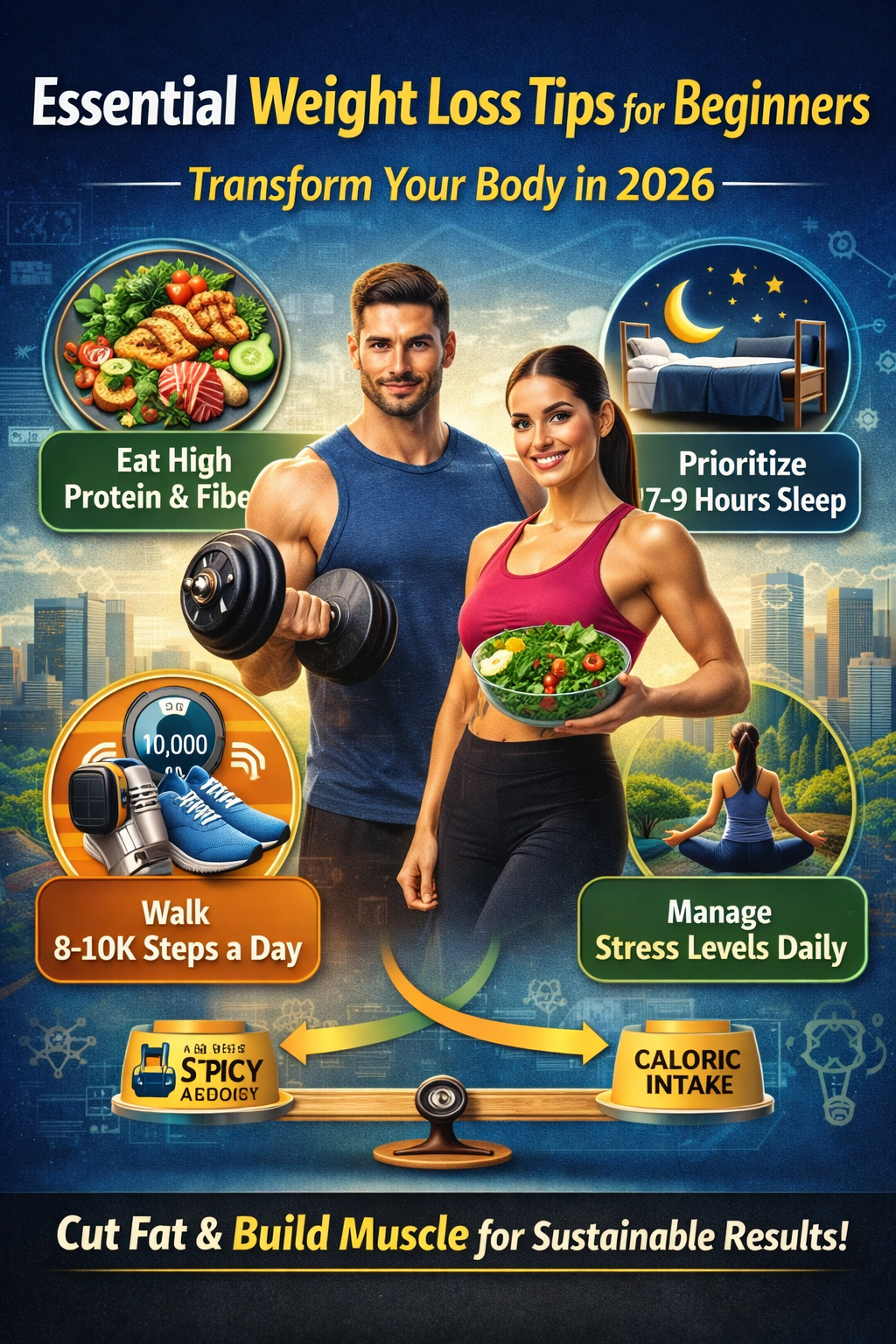
Weight loss in 2026 is about empowerment through data. Calculate your numbers, prioritize your protein, lift weights three times a week, and walk every day.
Success is the sum of small efforts, repeated day in and day out. Don’t aim for perfection; aim for consistency. You don’t need a new body; you need a new lifestyle.