
Introduction
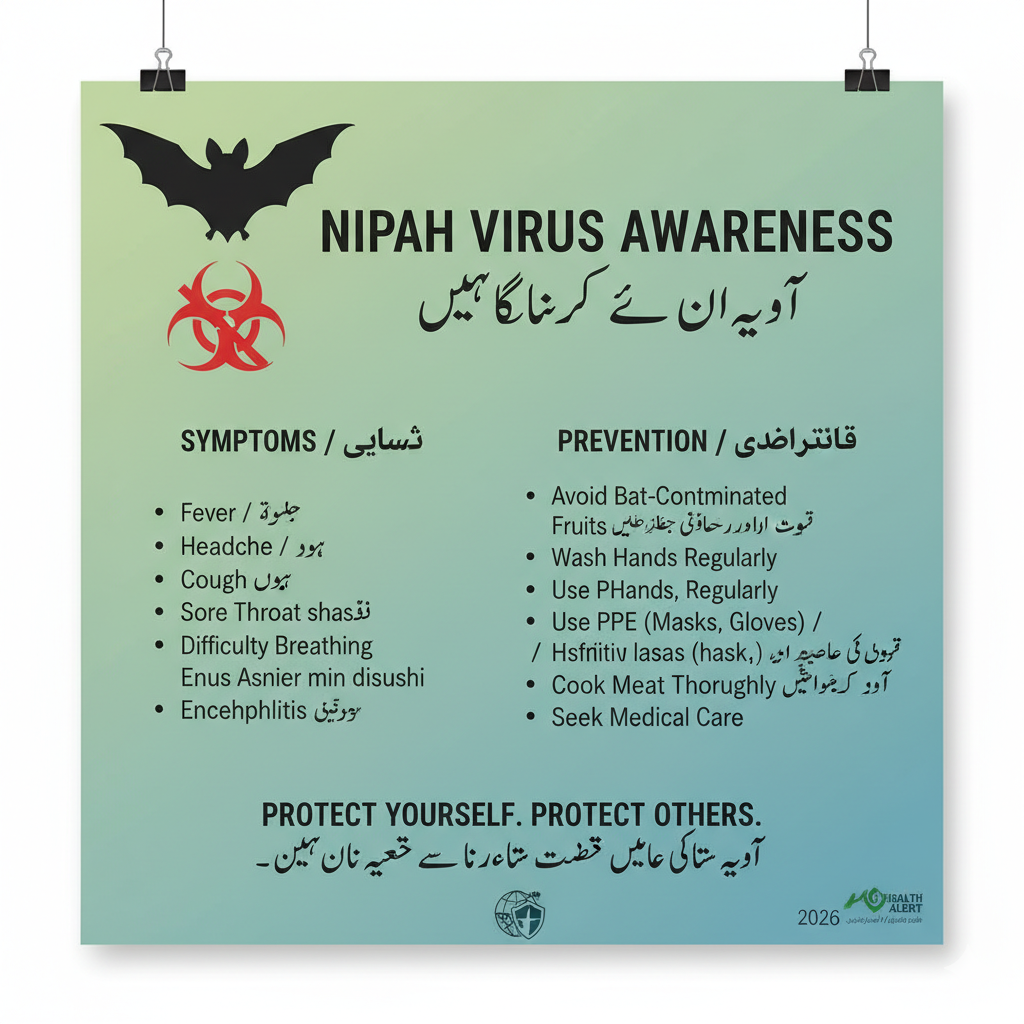
In the rapidly changing health landscape of 2026, the emergence of zoonotic diseases remains a top priority for global health organizations. The Nipah Virus (NiV), a highly pathogenic virus transmitted from animals to humans, has recently seen a resurgence in parts of South and Southeast Asia. With a devastatingly high case-fatality rate—ranging from 40% to 75%—it is one of the most feared viruses in the world. Understanding the Nipah Virus symptoms and prevention 2026 strategies is no longer just for healthcare professionals; it is essential information for every household. This comprehensive guide will walk you through everything you need to know to stay safe in 2026.
What Exactly is the Nipah Virus? (The Biology)
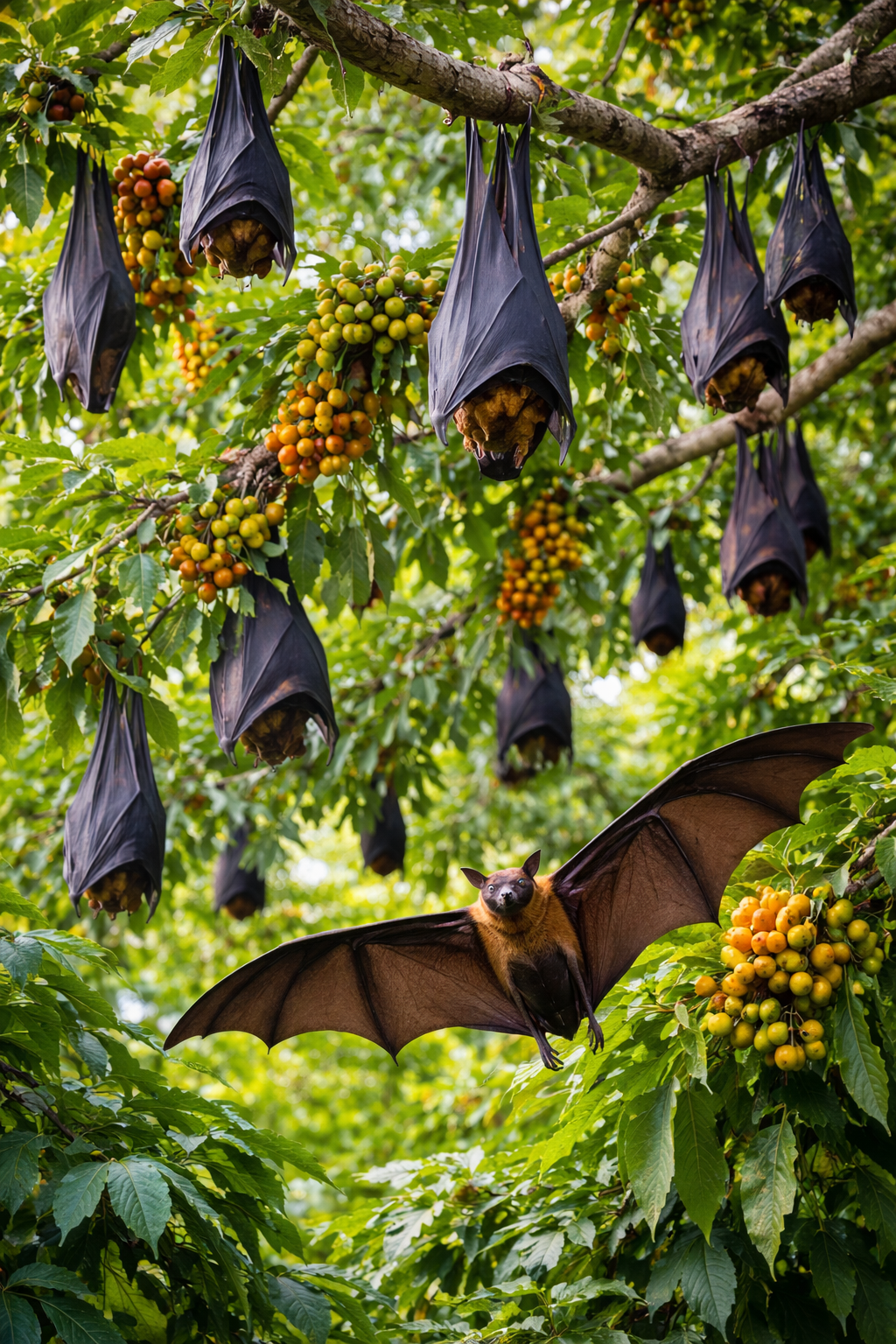
Nipah virus is a member of the Henipavirus genus. It was first discovered in 1999 during an outbreak among pig farmers in Kampung Sungai Nipah, Malaysia. While the initial transmission was linked to infected pigs, researchers later discovered that the true natural reservoir of the virus is the Fruit Bat (Pteropus genus), commonly known as the Flying Fox.
Unlike the common cold or even COVID-19, Nipah is significantly more lethal. It can cause severe respiratory distress and, more dangerously, acute encephalitis—an inflammation of the brain that can lead to permanent brain damage or death. In 2026, international health agencies like the World Health Organization (WHO) have classified NiV as a priority disease due to its epidemic potential.
“…By the end of this section, you will understand the biology behind Nipah Virus symptoms and prevention 2026.”
Nipah Virus Symptoms and Prevention 2026: A Detailed Guide
The symptoms of NiV are often tricky because they mimic other common tropical diseases like malaria, dengue, or even the common flu in the early stages.
practical insights on fitness, health, and affiliate marketing
The Incubation Period
The time from exposure to the first sign of illness (incubation period) is typically 4 to 14 days. However, in rare instances, the virus has been known to remain dormant for up to 45 days, making it difficult to trace the exact source of infection.
Early Stage Symptoms (Days 1–5)
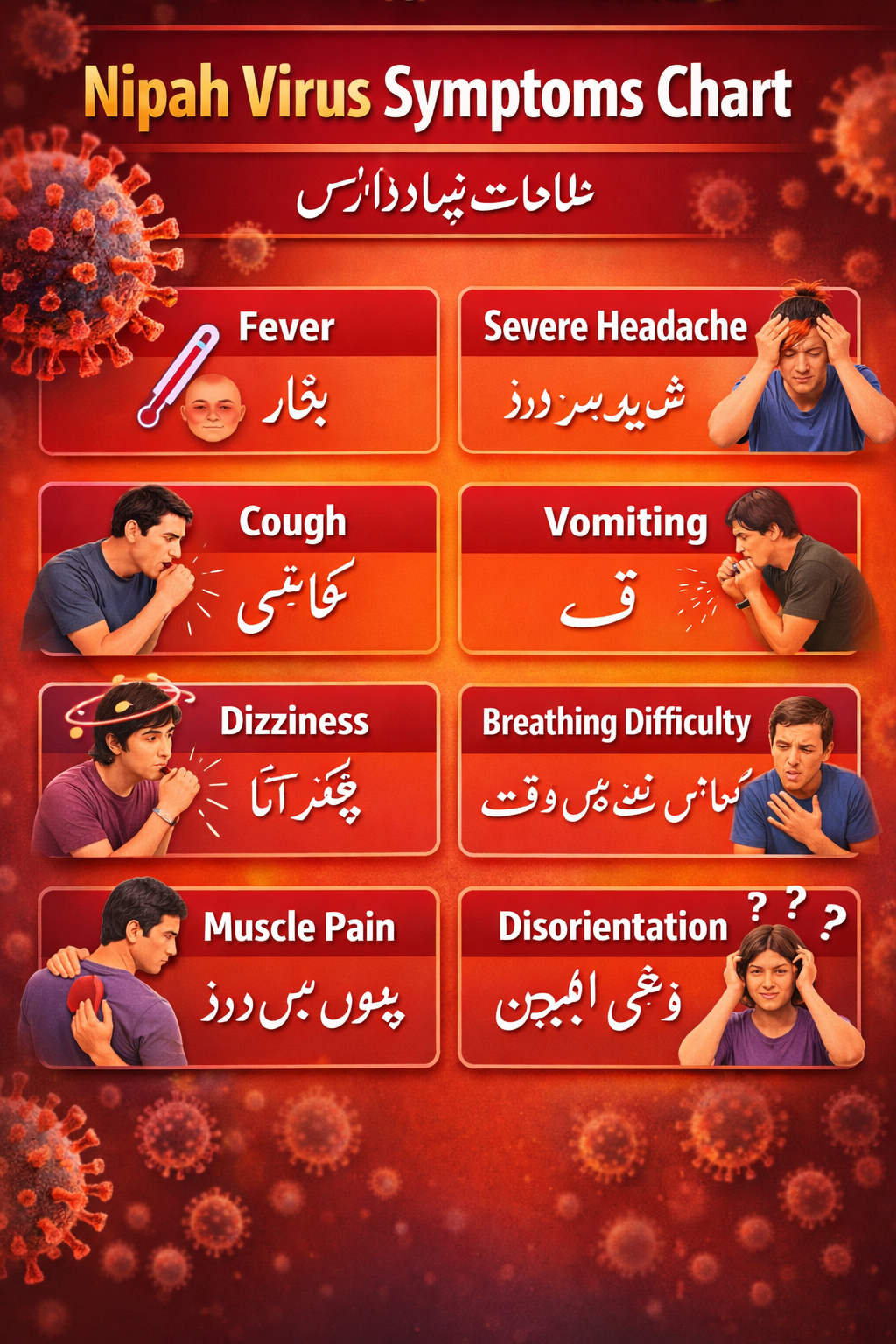
During the first few days, patients usually experience:
- Persistent High Fever: Often reaching 103°F or higher.
- Severe Myalgia: Intense muscle aches that make movement difficult.
- Respiratory Issues: A persistent dry cough, sore throat, and shortness of breath.
- Gastrointestinal Distress: Nausea, vomiting, and abdominal pain are common in the 2026 variant reported in recent clusters.
Advanced Neurological Stage (Days 5–14)
If the virus crosses the blood-brain barrier, the situation becomes a medical emergency:
- Mental Confusion: Difficulty recognizing family members or disorientation.
- Severe Dizziness: A feeling of vertigo or loss of balance.
- Atypical Pneumonia: Severe lung infection leading to acute respiratory distress syndrome (ARDS).
- Encephalitis: This is the most dangerous stage. Patients may suffer from seizures (fits) and can slip into a coma within 24 to 48 hours of brain inflammation starting.
Transmission Risks: Nipah Virus Symptoms and Prevention 2026
To prevent the virus, we must first understand its “attack vectors.” There are three primary ways the virus reaches humans:
What Should You Do If You Suspect Nipah Virus in 2026?
If you or a family member develop symptoms such as high fever, severe headache, breathing difficulty, or confusion—especially after consuming raw fruits or having contact with a suspected case—do not ignore the warning signs.
When Should You Go to the Hospital Immediately?
Seek urgent medical care if any of the following symptoms appear:
- Persistent fever above 102°F for more than 24 hours
- Shortness of breath or chest tightness
- Sudden confusion, fainting, or seizures
- Rapid worsening of symptoms within 48 hours
Emergency Red Flags You Must Never Ignore
These symptoms indicate possible brain involvement and require emergency isolation:
- Loss of consciousness
- Severe dizziness or inability to walk
- Repeated vomiting with headache
- Unusual behavior or difficulty speaking
What to Do in Pakistan and South Asia (2026 Guidance)
- Do not visit private clinics first; go directly to a government-designated infectious disease hospital.
- Wear a mask and avoid close contact with others while traveling to the hospital.
- Inform doctors immediately about any recent exposure to raw fruits, bats, or a suspected patient.
- Self-isolate for 21 days if you were in close contact with a confirmed or suspected case.
1. Contaminated Food and Drink
This is the most common route in South Asia. Fruit bats often feed on fruits (mangoes, guavas, dates) or drink the sap from date palm trees. If a human consumes fruit that has been partially eaten by a bat or drinks raw date palm sap contaminated with bat urine or saliva, they can contract the virus.
2. Animal-to-Human Contact
Direct contact with infected pigs or other domestic animals that have been in contact with bat droppings can spread the virus. In the 1999 Malaysia outbreak, thousands of pigs had to be culled to stop the spread.
3.Human-to-Human Spread
In 2026, healthcare-associated (nosocomial) transmission is a major concern. The virus spreads through close contact with the bodily fluids of an infected person, including blood, urine, saliva, or respiratory droplets.
H2: Nipah Virus Prevention 2026: The “Gold Standard” Rules
Since there is no vaccine available for humans yet, prevention is your only shield.
“…understanding human-to-human transmission is a vital part of Nipah Virus symptoms and prevention 2026 strategies.”
Strategic Food Safety
- Boil Raw Sap: If you live in an area where date palm sap is consumed, always boil it at 100°C for at least 5 minutes before drinking.
- The “Whole Fruit” Rule: Only buy fruits that are intact. If a fruit has a puncture, a scratch, or a bite mark, throw it away immediately.
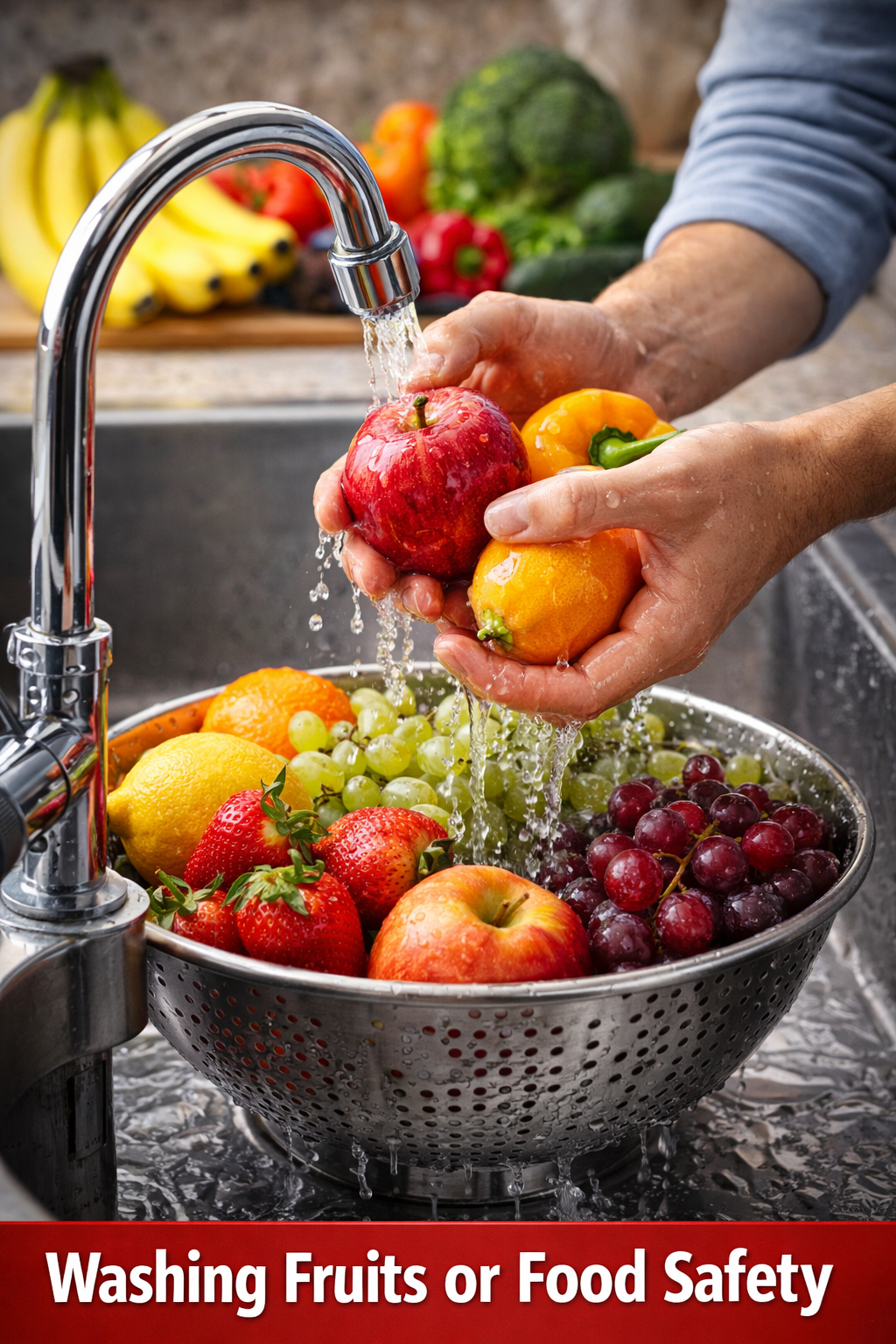
- Peeling and Washing: Always wash fruits under high-pressure running water. Peeling fruits like mangoes and apples provides an extra layer of safety.
Hygiene and Personal Protection
- Hand Sanitization: Use alcohol-based sanitizers (at least 70% alcohol) or wash with antibacterial soap after touching surfaces in public transport or hospitals.
- Masking Up: In 2026, health authorities in high-risk zones recommend wearing N95 masks, as they offer better protection against respiratory droplets in crowded areas.
Avoiding Bat Habitats
- Keep your pets (cats/dogs) away from trees where bats are known to roost.
- Avoid visiting caves or forested areas where large colonies of bats reside.
Best Strategies for Nipah Virus Symptoms and Prevention 2026
History teaches us that quick isolation saves lives. During the Kerala (India) outbreaks and the recent alerts in West Bengal, the primary tool for containment was “Contact Tracing.” If you have been in contact with someone showing neurological symptoms or high fever, self-isolate for 21 days and contact your local health department.
Boosting Immunity Against Viral Infections
While a strong immune system cannot “block” the Nipah virus, it can help your body manage the initial stress of an infection.
- Vitamin C and Zinc: These are essential for maintaining the integrity of your respiratory lining.
- Hydration: Drinking at least 3 liters of water daily helps flush out toxins.
- Rest: Adequate sleep ensures your T-cells are ready to fight pathogens.
Diagnosis and Clinical Management
If you suspect an infection, do not self-medicate. Doctors use the following tests:
- Real-Time PCR: Best for early detection using throat swabs.
- Antibody Testing (ELISA): To detect the body’s immune response in later stages.
Current Treatment: There is no “cure.” Doctors provide supportive care, such as mechanical ventilation for respiratory failure and anticonvulsants to manage seizures. Some experimental treatments like monoclonal antibodies (m102.4) are being tested in clinical trials as of 2026.
Frequently Asked Questions (FAQs)
Is Nipah as contagious as COVID-19?
No. Nipah is much less contagious than COVID-19. It requires very close contact with bodily fluids to spread, whereas COVID-19 spreads easily through the air. However, Nipah is far more deadly.
Can I get Nipah from my pet dog or cat?
While it is theoretically possible if the pet comes into contact with bat droppings, it is extremely rare. Keep your pets indoors and monitor their health.
Are there any travel restrictions in 2026?
Several countries have introduced screening at airports for passengers coming from known outbreak zones. Always check the latest travel advisories.
The Geographical Risk: Why South Asia is at Risk in 2026
The 2026 outbreak has highlighted that geographical boundaries do not stop viral transmission. South Asian countries, particularly India, Bangladesh, and Pakistan, share similar climates and fruit bat populations.
In Bangladesh, seasonal outbreaks occur almost every year due to the consumption of raw date palm sap. In 2026, the risk has expanded to urban areas where fruit bats live in large city parks. This “urban spillover” is a new challenge for health officials. By understanding the Nipah Virus symptoms and prevention 2026 protocols, city dwellers can better prepare themselves against accidental exposure from contaminated balcony gardens or local markets.
Nipah Virus vs. Other Seasonal Diseases: How to Differentiate?
One of the reasons the death rate is so high is the delay in diagnosis. In 2026, many symptoms of NiV overlap with other common illnesses.
- NiV vs. Dengue: While both cause high fever, Dengue usually involves a distinct skin rash and severe bone pain (breakbone fever). NiV is more likely to cause respiratory distress and mental confusion.
- NiV vs. Malaria: Malaria causes chills and sweating in cycles. NiV, however, leads to neurological symptoms like dizziness and fainting much faster than malaria.
- NiV vs. COVID-19: COVID-19 is highly airborne and spreads rapidly through casual conversation. NiV requires much closer contact or ingestion of contaminated food.
Distinguishing these Nipah Virus symptoms and prevention 2026 signs early can save lives by ensuring the patient is moved to an isolation ward immediately.
practical insights on fitness, health, and affiliate marketing
Role of Healthcare Workers and Caregivers
In 2026, the safety of nurses and doctors is a major concern. During the 2018 and 2021 outbreaks, many healthcare workers were infected because of inadequate personal protective equipment (PPE).
If you are caring for a loved one at home:
- Isolation Room: Keep the patient in a well-ventilated room with a separate bathroom.
- Waste Management: All tissues, clothes, and bedding used by the patient must be disinfected with bleach or boiled.
- No Contact: Avoid kissing or hugging the patient. Use gloves even for passing food or medicine.
Following these Nipah Virus symptoms and prevention 2026 caregiving rules is the only way to prevent a family-wide cluster of infections.
Environmental Impact and Why Outbreaks Happen
Climate change and deforestation in 2026 have pushed fruit bats out of their natural forest habitats and into human-populated areas. When we destroy the natural homes of these bats, they settle in mango orchards and date palm farms.
To prevent future outbreaks, we must:
- Protect natural forests so bats stay away from human food sources.
- Implement better farming technology, such as using bamboo skirts to cover date palm trees to prevent bats from access.
- Educate local farmers on the importance of reporting sick livestock (like pigs) to the authorities immediately.
Conclusion: Staying Vigilant in 2026
The Nipah Virus symptoms and prevention 2026 guide serves as a reminder that our health is intrinsically linked to the environment. By respecting wildlife boundaries, ensuring food safety, and maintaining high standards of personal hygiene, we can prevent NiV from becoming a global pandemic. Knowledge is your best defense—stay informed and stay safe.