
How long does a broken jaw take to heal? This is one of the most common questions patients ask after experiencing a mandibular fracture due to an accident, sports injury, or physical trauma. A broken jaw is one of the most painful and restrictive facial injuries, affecting eating, speaking, and daily life. In 2026, medical advancements have improved pain management and surgical outcomes, but the natural bone-healing process still follows a structured timeline. This guide explains the complete broken jaw recovery timeline, diet plan, and expert-backed tips to ensure faster and safer healing.
Many patients ask exactly how long does a broken jaw take to heal, and the answer depends on fracture severity, treatment method, and post-injury care during recovery.
How Long Does a Broken Jaw Take to Heal?
On average, a broken jaw takes 6 to 8 weeks to heal. However, this depends on the severity of the fracture and whether surgery was required. If the jaw is wired shut (intermaxillary fixation), the initial healing phase is more intense, while a simple fracture might heal faster with rest and a soft-food diet.
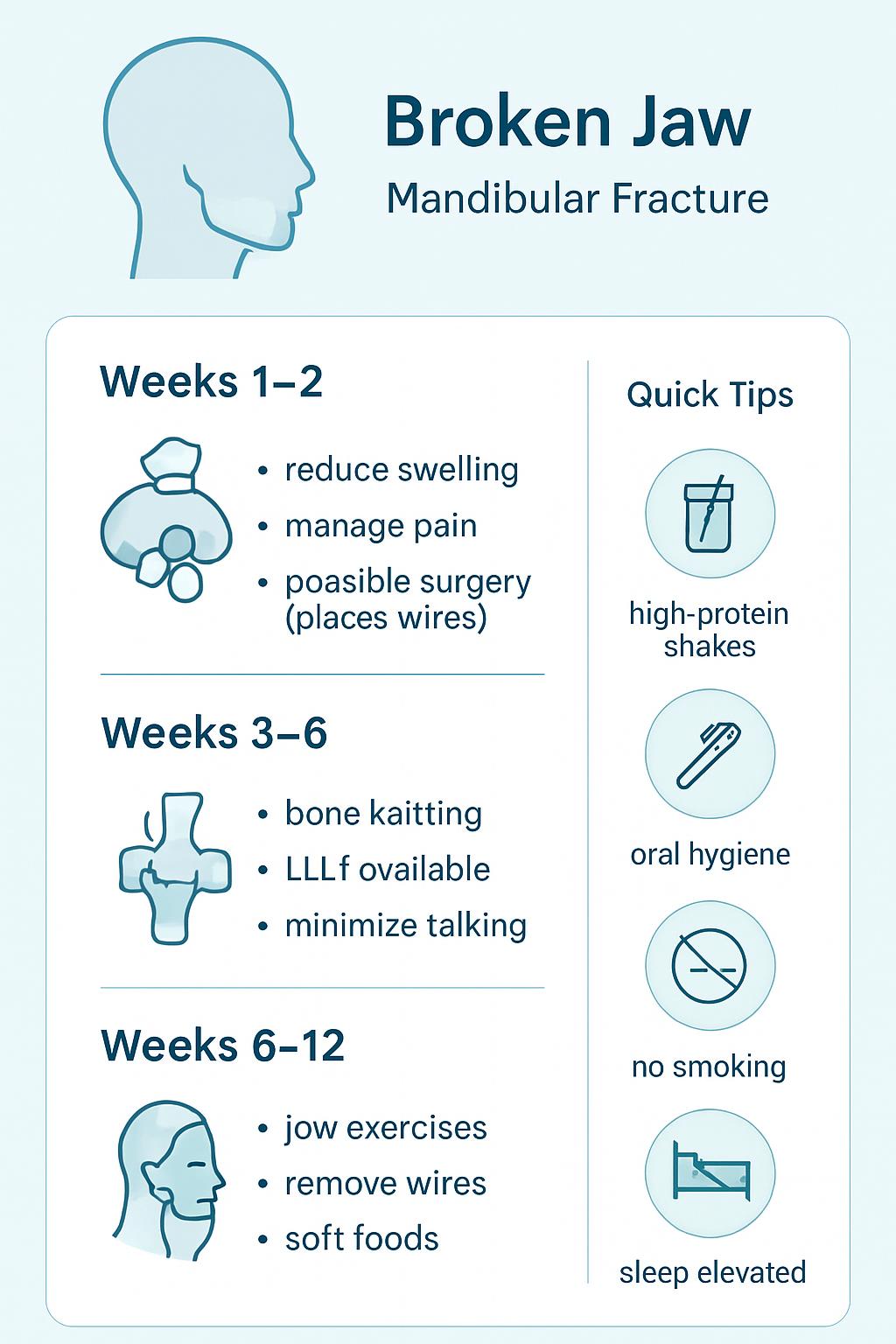
The 2026 Broken Jaw Recovery Timeline
Phase 1: Weeks 1–2 (Acute Healing)
The first 14 days are the most challenging. During this time, the focus is on reducing swelling and managing pain.
- Medical Intervention: If the fracture is displaced, surgeons may use titanium plates or wires to stabilize the bone.
- Sensation: Numbness in the lower lip and chin is common during this stage due to nerve bruising.
Phase 2: Weeks 3–6 (Bone Knitting)
By the third week, your body begins creating “callus” (new bone tissue) to bridge the fracture.
- Activity: You must strictly avoid any pressure on the jaw. Talking should be kept to a minimum.
- 2026 Update: Many clinics now use Low-Level Laser Therapy (LLLT) during this phase to stimulate cellular repair and reduce inflammation.
Phase 3: Weeks 6–12 (Full Functional Recovery)
After 6 weeks, doctors usually remove wires or restrictive bands.
- Physical Therapy: You will begin jaw exercises to regain your range of motion.
- Solid Foods: You can gradually transition from liquids to very soft foods (like scrambled eggs or mashed potatoes).
Essential Tips for Faster Recovery
To speed up the healing of a mandibular fracture in 2026, follow these expert-backed tips:
- Prioritize High-Protein Nutrition: Bone repair requires massive amounts of protein and calcium. Since you cannot chew, use the MyPlate Nutrition Guide to ensure your liquid shakes are balanced with vitamins D and K.
- Strict Oral Hygiene: Infections are the #1 cause of delayed healing. Use a soft baby toothbrush and prescribed antiseptic mouthwashes after every meal.
- Zero Smoking Policy: Nicotine constricts blood vessels, starving the bone of the oxygen it needs to heal. Studies show smokers have a 40% higher risk of “non-union” (the bone failing to fuse).
- Sleep Elevated: Keep your head above your heart level for the first 10 days to minimize facial swelling.
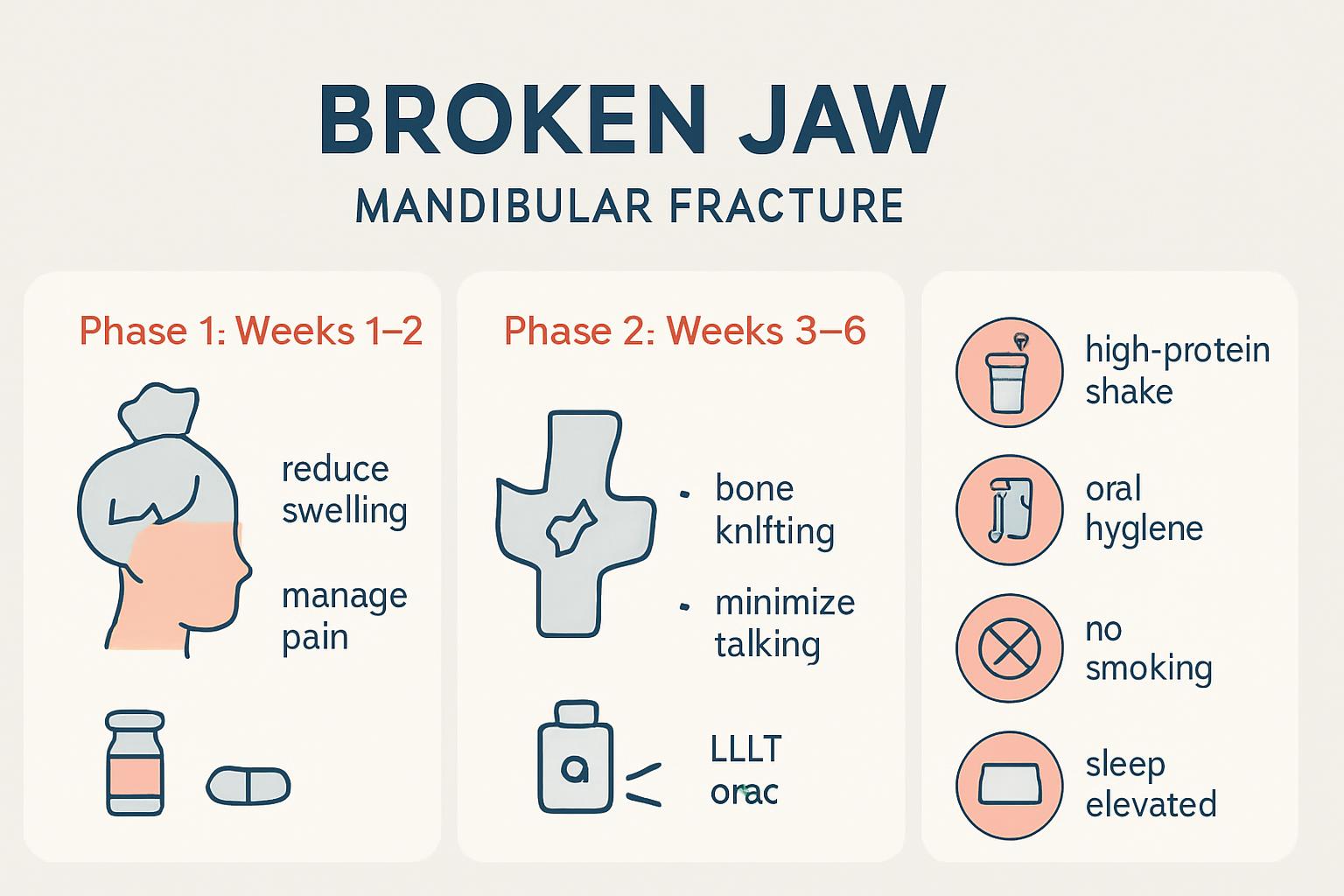
Broken Jaw Diet: What to Eat?
When your jaw is healing, “chewing” is your enemy. Focus on:
- Protein Shakes & Smoothies: Add spinach, protein powder, and Greek yogurt.
- Pureed Soups: Lentil soup, bone broth, and cream of chicken are excellent.
- Hydration: Dehydration slows down cellular repair. Aim for at least 3 liters of water daily.
When to Call a Doctor
While recovering at home, watch for these red flags:
- Shortness of breath or difficulty swallowing.
- A foul odor or taste coming from the mouth (sign of infection).
- The jaw “shifting” or teeth no longer aligning correctly.
- Persistent fever above 101°F.
The Psychological Impact of Jaw Injuries
Beyond the physical pain, a broken jaw can take a toll on your mental health. In 2026, medical professionals are placing more emphasis on the “social isolation” aspect of recovery. Since your ability to speak and eat in public is limited, many patients experience anxiety or “liquid diet fatigue.”
To combat this, specialists recommend joining online support communities or using the MentalHealth.gov resources to find coping strategies for chronic pain and temporary physical limitations. Remember, the frustration you feel during Week 3 is a normal part of the neurological response to facial trauma.
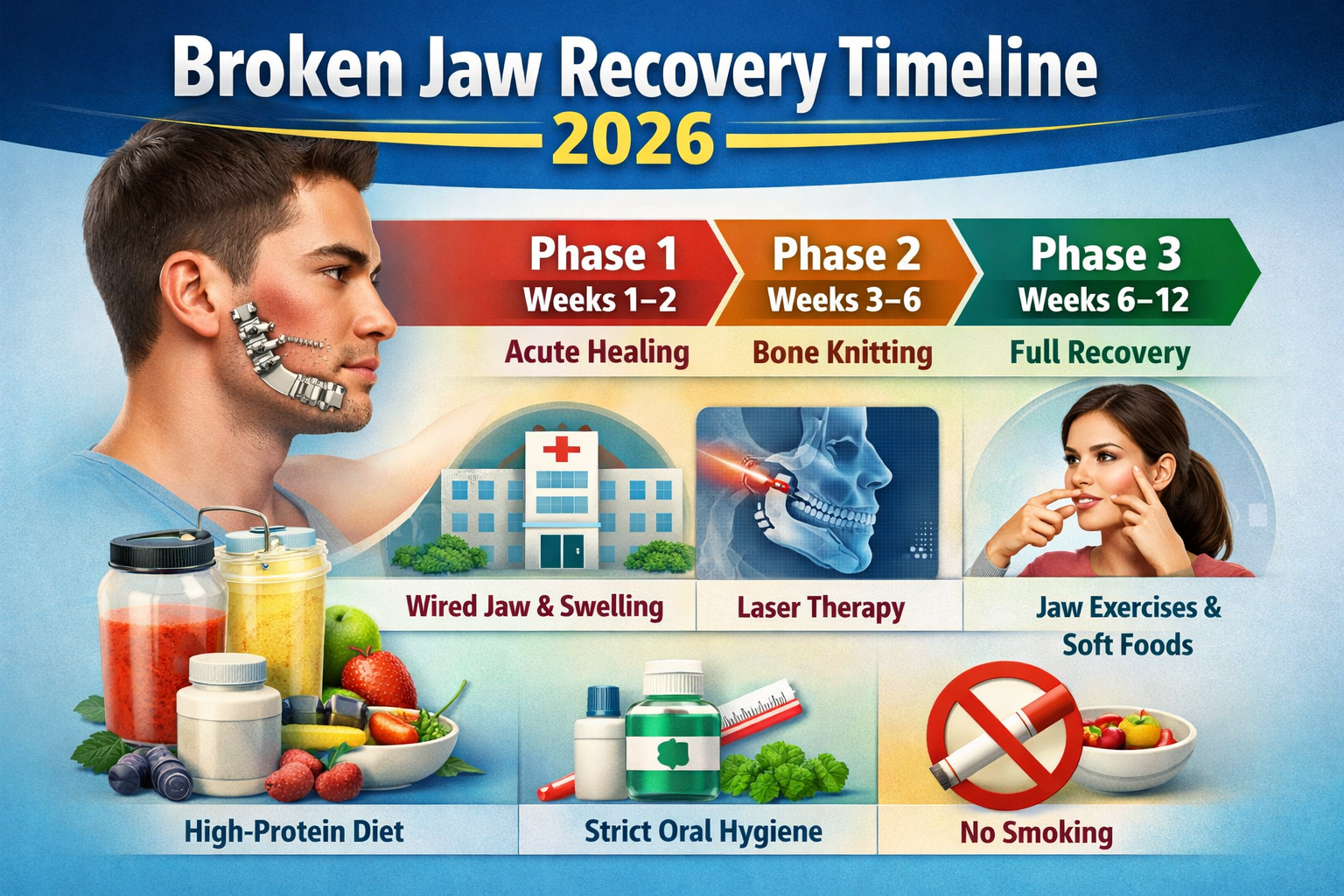
2026 Diagnostic Advancements: Beyond the Standard X-Ray
In the past, a simple panoramic X-ray was the gold standard. However, in 2026, surgeons are increasingly utilizing 3D Cone Beam Computed Tomography (CBCT). This technology allows for:
- Precision Mapping: Identifying hairline fractures that don’t appear on 2D scans.
- Surgical Simulation: Surgeons can virtually “practice” the realignment of your jaw before the first incision is made.
- Reduced Radiation: Modern CBCT scans offer lower radiation doses compared to traditional CT scans, making them safer for pediatric patients.

Advanced Rehabilitation: Jaw Exercises (Week 6+)
Once your doctor gives the green light, physical therapy is vital to prevent TMJ (Temporomandibular Joint) Disorders. You can find guided recovery routines on the American Physical Therapy Association (APTA) website. Key exercises often include:
- Passive Stretching: Gently opening the mouth using finger pressure.
- Side-to-Side Movements: Improving the lateral range of motion.
- Resistance Opening: Strengthening the masseter muscles without putting stress on the fracture site.
Frequently Asked Questions (FAQ)
Can I drive with a broken jaw?
If your jaw is wired shut, driving is generally discouraged for the first two weeks due to the potential for dizziness and the risk of vomiting (which is a medical emergency when the jaw is wired).
Will I lose weight during recovery?
Most patients lose between 5 to 15 pounds. To minimize muscle loss, ensure you are using a Calorie Calculator to track your intake, aiming for calorie-dense liquids like avocado blends and heavy cream-based soups.
Is it possible for a broken jaw to heal on its own?
While minor “non-displaced” fractures can heal with a liquid diet and rest, any fracture that affects your “bite” (occlusion) requires professional stabilization to prevent permanent facial asymmetry or chronic pain.
Conclusion
Understanding how long does a broken jaw take to heal helps patients set realistic expectations and follow the correct recovery plan for faster and safer healing.
A broken jaw requires patience and discipline. While the standard recovery time is 6 to 8 weeks, following a strict dietary and hygiene regimen can prevent complications and get you back to solid foods faster. If you suspect a fracture, consult a specialist at an institution like the Mayo Clinic immediately for an X-ray or CT scan.